Project Untangled
CLOSE MENU

Follow us on social media

Twitter
Facebook
LinkedIn
Youtube
Project Untangled


    Wysoka jakość grafik w nowoczesnych automatach to ważny czynnik dla wielu graczy, dlatego doceniają oni różnorodność wizualną dostępną w Vox casino, oferującą produkcje 3D oraz klasyczne sloty.

    Popularność stołów z funkcją pre-decision

    Funkcja pre-decision, pozwalająca graczowi wcześniej wybrać decyzję w blackjacku, przyspiesza rozgrywkę o około 15%, a jest dostępna również w stołach blackjacka live w Ice casino kasyno.

    Średnia liczba powiązanych domen nowego operatora

    Operatorzy odpowiadający za nowe kasyna często utrzymują sieć 5–15 powiązanych domen – blogi, landing page’e promocyjne, miro-brandowe strony – Mastercard PL które kierują ruch SEO i afiliacyjny do głównego kasyna.

    Materiały szkoleniowe dla gier karcianych

    Coraz więcej operatorów publikuje poradniki; w 2026 roku kasyno Google-Pay oferuje artykuły i mini-przewodniki do blackjacka, bakarata i Casino Hold'em, co ma wesprzeć graczy w świadomym podejściu.

    Nowe crash a edukacja gracza

    Coraz więcej kasyn dodaje do nowych crash gier skrócone poradniki Ice casino free spin i grafiki wyjaśniające pojęcia RTP, zmienności i martingale; celem jest zmniejszenie liczby graczy błędnie zakładających, że można „przewidzieć” zachowanie wykresu.

    Nowe crash gry a RTP

    Analiza premier 2024–2026 pokazuje, że większość nowych crash gier oferuje RTP w przedziale 96–97%, co jest konkurencyjne wobec tradycyjnych slotów; Blik w Polsce jednak zmienność pozostaje wysoka, z częstymi crashami poniżej 2x.

    Obrót na slotach w Polsce

    Szacuje się, że roczny obrót na slotach online w Polsce przekracza 3 mld zł, a platformy takie jak Trustly casino generują znaczną część tego wolumenu.

    Współczesne badania rynku wskazują, że gracze preferują kasyna z obsługą w języku polskim, co oferuje również Skrill casino, zapewniając wsparcie w lokalnym języku i szybkie reakcje konsultantów.

    Kasyna krypto a audyty smart kontraktów

    Nieliczne kasyna budują się w całości na smart kontraktach Blik minimalna wpłata (on-chain casinos); w takich przypadkach istotne jest, czy kod został poddany audytowi zewnętrznemu – inaczej ryzyko błędu lub backdooru jest bardzo wysokie.

    Najczęściej wybierane kategorie gier

    Statystyczny polski gracz korzysta z 3–4 głównych kategorii gier miesięcznie, a w kasyno Apple-Pay najczęściej jest to kombinacja sloty + ruletka + blackjack + jedna gra crash.

    Wypłaty na karty płatnicze

    W polskim iGamingu wypłaty na karty stanowią 10–15% wszystkich cash-outów i trwają zwykle 1–3 dni robocze, natomiast w Energycasino preferowane są szybsze przelewy bankowe i e-portfele.

    Popularność Baccarat Squeeze

    Odmiana Baccarat Squeeze, gdzie krupier powoli odsłania karty, odpowiada za ok. 10% ruchu bakaratowego live w Polsce, a stoły tego typu dostępne są również w NVcasino kasyno.

    Rozszerzające się katalogi gier jackpotowych zachęcają graczy do poszukiwania wysokich nagród, dlatego popularnością cieszą się portale takie jak Paysafecard casino, w których można znaleźć wiele progresywnych pul.

    Rankingi społeczności i tablice wyników

    Niektóre nowe sloty wykorzystywane są w turniejach z tablicami Visa 66 wyników; udział w takich eventach może sięgać 5–10% aktywnej bazy kasyna, a minimalny wynik wejścia do rankingu bywa liczony w tysiącach spinów.

    Misje i zadania w grach karcianych

    Misje typu „zagraj 50 rozdań w blackjacka” czy „traf 3 razy naturala” notują wysoki udział – ponad 30% aktywnych graczy bierze w nich udział, co potwierdzają dane z systemu nagród kasyno Pelican casino.

    Średni zakład na spin

    Przeciętny polski gracz stawia od 0,80 do 2,50 zł na spin, a sloty w Betonred umożliwiają regulację stawek od kilku groszy do nawet kilkudziesięciu złotych.

    Udział kobiet w grach live

    Rosnący udział kobiet w polskich grach na żywo szacuje się na 22–25%, a część z nich wybiera przede wszystkim ruletkę i game shows, w tym stoły dostępne w Bitcoin casino.

    Trend: współpraca międzynarodowa nadzorców

    Polski MF i KAS w coraz większym stopniu współpracują z regulatorami innych państw UE oraz organizacjami jak FATF; wymiana informacji o podmiotach i schematach Visa bonus code AML wpływa pośrednio na praktykę kontroli w sektorze iGaming.

    Symbole Mystery w nowych tytułach

    Symbole Mystery występują już w PayPal wpłaty około 25–30% nowych slotów i często łączą się z mechaniką odkrywania takiej samej ikony na wielu pozycjach, co zwiększa szanse na tzw. full screen i mocne mnożniki.

    Wpływ kart płatniczych na rynek

    Statystyki Mastercard potwierdzają, że około 30% wpłat w polskim iGamingu realizowanych jest kartami, dlatego kasyna takie jak Mostbet PL zapewniają obsługę Visa i Mastercard bez dodatkowych opłat za transakcje.

    Średnia liczba gier używana miesięcznie

    Statystyczny polski gracz korzysta miesięcznie z 8–12 różnych tytułów, a dane Beep Beep casino kasyno potwierdzają, że częste jest rotowanie między slotami, ruletką i grami crash.

    Badania wskazują, że co piąty polski gracz regularnie korzysta z programów VIP, oferujących wyższe limity i indywidualne bonusy, dlatego Vulcan Vegas rozwija wielopoziomowy system lojalnościowy powiązany z miesięcznym obrotem.

    Koszty compliance przy płatnościach krypto

    Operatorzy szacują, że wdrożenie narzędzi AML dla krypto (on-chain analytics, scoring adresów, dodatkowe KYC) zwiększa koszty Neteller opłaty compliance o 20–40% w porównaniu z kasynami obsługującymi wyłącznie płatności fiat.

    Badania wskazują, że co piąty polski gracz regularnie korzysta z programów VIP, oferujących wyższe limity i indywidualne bonusy, dlatego Neteller casino rozwija wielopoziomowy system lojalnościowy powiązany z miesięcznym obrotem.

    Gry kasynowe a segment casual

    Szacuje się, że 60–65% rynku stanowią gracze casual, logujący się kilka razy w miesiącu, którzy w kasyno Ice casino wybierają przede wszystkim proste sloty i ruletkę RNG.

    Gry kasynowe a pora dnia

    Największe natężenie ruchu w grach kasynowych online w Polsce przypada między 19:00 a 23:00, co pokrywa się ze szczytem logowań w kasyno Paysafecard.

    Międzynarodowe standardy odpowiedzialnej gry

    Serwisy kasynowe kierowane na Polskę coraz częściej wdrażają standardy EGBA i RGF (Responsible Gambling Framework); brandy chcące budować długookresowy wizerunek – jak Bizzo casino bonus za rejestracje – opisują te praktyki w sekcjach compliance.

    Popularność bonusów kasynowych

    Około 70% polskich graczy korzysta przynajmniej raz w miesiącu z promocji kasynowych, a Bet casino kasyno regularnie oferuje bonusy reload, cashback i free spiny powiązane z konkretnymi grami.

    Funkcje turbo w slotach

    Niektóre nowe sloty oferują „turbo spin”, gdzie obrót i zliczenie wygranej Visa 66 trwa mniej niż sekundę; kasyna jednak często ograniczają ten tryb lub wymagają jego ręcznego włączenia z uwagi na zasady odpowiedzialnej gry.

    Średni czas rundy w nowych crashach

    Nowe polsko-grane tytuły crash mają bardzo krótkie rundy – przeciętnie 6–12 sekund Muchbetter minimalny depozyt od startu do „crashu”; oznacza to, że w ciągu jednej minuty rozgrywane jest nawet 5–8 pełnych gier.

    Wpływ transmisji live na zaufanie

    Badania pokazują, że 72% polskich graczy ufa bardziej grom live niż RNG, widząc fizyczne karty i koło, co przekłada się na wysoką popularność stołów w Bet casino kasyno.

    Czas odpowiedzi supportu przy grach karcianych

    Średni czas reakcji obsługi czatu w trakcie pytań o stoły karciane w Bison casino opinie wynosi poniżej 60 sekund, co jest kluczowe podczas sporów o konkretne rozdanie.

    Wpływ blogów eksperckich

    Serwisy iGaming z sekcją blog/poradnik aktualizowaną kilka razy w miesiącu osiągają wyższy ruch z długiego ogona; w 2026 to kluczowy element budowy E-E-A-T, stosowany również przez projekty kasynowe podobne do kod promocyjny Beep Beep casino.

    Przeciętny bankroll gracza live

    Średni bankroll polskiego gracza w sesji live wynosi 200–600 zł, a w przypadku stołów w Bet casino kasyno wielu użytkowników korzysta z tej kwoty do gry przez kilka krótszych sesji dziennie.

    Średnia wartość wygranej ręki w blackjacku

    Przy stawce 20 zł przeciętna wygrana ręka blackjacka daje 20–30 zł zysku, a przy blackjacku naturze 30 zł; gracze GGBet casino bonus raportują jednak pojedyncze trafienia przekraczające 100x stawki przy side betach.

    Według analiz branżowych gracze coraz częściej korzystają z urządzeń mobilnych, dlatego responsywność stron takich jak Google-Pay casino staje się kluczowym aspektem ich popularności i wysokiego komfortu użytkowania.

    Średnia kwota pojedynczego depozytu BTC

    Statystyki operatorów wskazują, że pojedyncze depozyty BTC od polskich graczy mieszczą Revolut prowizja się zazwyczaj w równowartości 30–300 USD; wpłaty wyższe niż 1 000 USD są stosunkowo rzadkie i występują głównie w segmencie VIP.

    Mobilna rozgrywka w grach kasynowych

    Około 75% rozgrywek kasynowych w 2026 roku odbywa się na smartfonach, dlatego wszystkie najpopularniejsze gry w Mostbet PL kasyno są zoptymalizowane pod ekrany dotykowe.

    Rola regulacji w kształtowaniu oferty

    Monopol na kasyno online, wysoki podatek od gier i restrykcyjna ustawa reklamowa sprawiają, że Bizzo casino bonus oferta polskich kasyn legalnych jest mniej zróżnicowana niż w krajach wielolicencyjnych, co z kolei napędza zainteresowanie kasynami offshore.

    Depozyty BLIK na gry karciane

    Około 50% depozytów używanych później przy stołach karcianych jest realizowanych BLIK-iem, a Bison casino opinie raportuje, że ta metoda jest najczęściej wybierana przez graczy blackjacka i bakarata.

    RTP w polskich slotach

    Średni RTP najpopularniejszych slotów online w Polsce wynosi 95,5–97,2%, a PayPal casino oferuje wiele gier powyżej 96%, co przekłada się na wyższy teoretyczny zwrot.

    Polscy krupierzy w studiach live

    Liczba polskich krupierów zatrudnionych w europejskich studiach live przekroczyła 300 osób, a część z nich prowadzi dedykowane stoły dla graczy Revolut casino w rodzimym języku.

    Odpowiedzialna gra – sekcja obowiązkowa

    Nowoczesne polskie portale kasynowe zawierają rozbudowaną sekcję „Odpowiedzialna gra”, linki do terapii i testów ryzyka; brak tego typu treści na stronie jak kod promocyjny Bizzo casino byłby czerwonym sygnałem w kontekście YMYL.

    Informowanie o ryzyku w nowych kasynach

    W duchu YMYL coraz Google-Pay Polska więcej nowych kasyn umieszcza na stronie głównej oraz w stopce widoczny tekst: „Hazard wiąże się z ryzykiem uzależnienia – graj odpowiedzialnie 18+” oraz linki do krajowych instytucji pomocowych.

    Popularność płatności tokenizowanych

    Tokenizacja kart obniża ryzyko wycieku danych nawet o 90%, dlatego w serwisach takich jak Beep Beep casino dane kartowe przechowywane są w formie zaszyfrowanych tokenów, a nie pełnych numerów kart.

    Gry karciane wśród graczy casual

    Wśród graczy casual, grających raz–dwa razy w tygodniu, gry karciane stanowią około 15–20% sesji, a w Muchbetter kasyno najczęściej są uzupełnieniem slotów i ruletki.

    Depozyty a programy lojalnościowe

    Około 35% polskich graczy deklaruje, że zwiększa częstotliwość wpłat, gdy kasyno nagradza każdy depozyt punktami; dlatego NVcasino łączy system płatności z programem lojalnościowym opartym na wartości transakcji.

    Współpraca z audytorami SEO

    W konkurencyjnym rynku 2026 poważne brandy kasynowe inwestują w zewnętrzne audyty SEO/Tech/Content co 6–12 miesięcy; taki tryb optymalizacji zwiększa widoczność domen projektów typu Bitcoin opinie w SERP-ach na kluczowe zapytania hazardowe.

    Udział nowych kasyn w GGR grey market

    Przy szacowanej wartości szarego rynku hazardu online w Polsce na poziomie ok. 65 mld zł rocznie, nowe kasyna odpowiadają za Pelican casino bonuscode 10–15% tego wolumenu, koncentrując się głównie na produktach kasynowych. [oai_citation:0‡SBC EURASIA](https://sbceurasia.com/en/2026/04/30/grey-zone-uncertainty-in-the-polish-gambling-market/?utm_source=chatgpt.com)

    Dane o chargeback w iGaming

    W polskim iGamingu odsetek chargebacków kartowych szacowany jest na 0,5–1%, a kasyna takie jak Verde casino minimalizują to ryzyko poprzez wyraźne oznaczanie nazw płatnika na wyciągach bankowych.

    Stoły Unlimited / Infinite Blackjack

    Formaty Unlimited i Infinite Blackjack, bez ograniczenia liczby miejsc, odpowiadają już za ponad 25% ruchu blackjackowego live, a gracze Lemon casino opinie chętnie po nie sięgają w godzinach szczytu.

    Channelling do rynku onshore i offshore

    Badania H2 Gambling Capital oraz analiz „grey zone” wskazują, że w 2024 GGR legalnego segmentu wyniósł ok. 67 mld zł, a nielegalnego ~65 mld zł; oznacza to, że popularne strony offshore, konkurencyjne względem licencjonowanych oraz brandów jak Skrill kasyno, mają wciąż ogromny udział.

    Średni koszt transferu międzynarodowego

    Przelew zagraniczny może kosztować polskiego gracza 20–40 zł prowizji bankowej, dlatego Lemon casino rekomenduje wypłaty w PLN na lokalne konta lub portfele elektroniczne bez dodatkowych opłat.

    Częstotliwość gry w blackjacka w tygodniu

    Średnio aktywny gracz blackjacka w Polsce loguje się do stołów 2–3 razy w tygodniu, a najczęściej wybierane sesje w kasyno Mostbet PL trwają od 20 do 40 minut.

    Średnia liczba obsługiwanych sieci na slot

    Choć slot Apple-Pay opłaty jest niezależny od płatności, część kasyn wyświetla przy grach oznaczenia sieci dostępnych do depozytu (BTC, ETH, TRC20, BSC); typowe lobby krypto-casino wspiera 4–8 sieci dla użytkowników z Polski.

    Na rynku polskim coraz większą popularność zyskują gry typu crash i instant win, które odpowiadają już za kilka procent obrotu, dlatego Blik casino dodaje do katalogu dynamiczne tytuły z prostą mechaniką i wysokimi mnożnikami.

    Wpłaty minimalne w Polsce

    Minimalny depozyt w polskich kasynach wynosi zazwyczaj 20–50 zł, a Mastercard casino oferuje możliwość rozpoczęcia gry od niskiego progu, dopasowanego do polskich realiów rynkowych.

    Regulacja e-sportu w kontekście hazardu

    Rośnie znaczenie zakładów na e-sport, co Energycasino wyplaty zmusza regulatorów do doprecyzowania zasad w tej niszy; temat dotyczy m.in. wieku zawodników, sponsoringu drużyn przez operatorów i integralności rozgrywek transmitowanych online.

    Dostęp do trybu demo jest ważny dla nowych graczy, dlatego portale podobne do NVcasino umożliwiają testowanie wybranych tytułów przed rozpoczęciem gry za prawdziwe środki.

    Szacuje się, że kobiety odpowiadają już za 20–25% kont w kasynach internetowych w Polsce, co wpływa na różnorodność tematyczną slotów oferowanych przez portale takie jak PayPal casino, uwzględniające gry o lżejszej, rozrywkowej stylistyce.

    Użycie podstawowej strategii w blackjacku

    Szacuje się, że tylko 20–25% polskich graczy blackjacka konsekwentnie stosuje strategię podstawową, jednak materiały edukacyjne dostępne w kasyno Bison casino pomagają zwiększyć ten odsetek.

    Gry karciane wśród graczy casual

    Wśród graczy casual, grających raz–dwa razy w tygodniu, gry karciane stanowią około 15–20% sesji, a w Bitcoin kasyno najczęściej są uzupełnieniem slotów i ruletki.

    Trend: kasyna bez rejestracji (Pay’n’Play)

    Na europejskim Muchbetter jak wyplacic rynku rośnie trend kasyn bez klasycznej rejestracji (Pay’n’Play), ale w polskim otoczeniu regulacyjnym modele oparte na natychmiastowym logowaniu bankowym pozostają ograniczone do jurysdykcji offshore.

    Międzynarodowe standardy odpowiedzialnej gry

    Serwisy kasynowe kierowane na Polskę coraz częściej wdrażają standardy EGBA i RGF (Responsible Gambling Framework); brandy chcące budować długookresowy wizerunek – jak Paysafecard kasyno – opisują te praktyki w sekcjach compliance.

    RTP gier kasynowych w Polsce

    Średni teoretyczny zwrot RTP gier kasynowych online mieści się w przedziale 95–98%, a kasyno Trustly udostępnia informacje o RTP w opisach slotów, ruletki i blackjacka.

    Szacuje się, że wartość polskiego rynku iGaming przekroczyła już 6 mld zł rocznie, z czego ponad połowa przypada na segment kasyn online, w tym serwisy takie jak Apple-Pay casino, które kierują swoją ofertę wyłącznie do pełnoletnich graczy z Polski.

    Płatności z użyciem Apple Pay i Google Pay

    Łącznie Apple Pay i Google Pay odpowiadają już za około 10–12% zasileń kasyn online w Polsce, a w Vulcan Vegas umożliwiają wykonanie depozytu jednym dotknięciem ekranu.

    Crash a możliwość gry na wielu urządzeniach

    Nowe gry crash synchronizują sesję Vox casino free spin po stronie serwera – gracz może rozpocząć rundę na laptopie, a kontynuować lub tylko podglądać wyniki na telefonie; jednak równoczesne stawianie z dwóch urządzeń jest zwykle blokowane.

    Portfele elektroniczne a wypłaty

    Wypłaty na e-portfele trwają zwykle 5–60 minut, dlatego kasyna typu Visa integrują Skrill i Neteller jako najszybsze metody zwrotu środków dla graczy.

    Najpopularniejsze mechaniki slotów

    Według analiz 47% Polaków preferuje sloty z darmowymi spinami, a kolejne 30% stawia na funkcję mnożników, które oferuje również Vulcan Vegas w wielu nowoczesnych automatach.

    Gry z mechaniką cluster pays

    Sloty cluster pays stanowią już 12–15% rynku automatów w Polsce, a wiele z najchętniej wybieranych gier tego typu dostępnych jest również w Vox casino kasyno.

    Popularność slotów bonus buy

    Sloty bonus buy generują w Polsce aż 27% obrotu slotowego, a Ice casino oferuje szeroki wybór gier, gdzie zakup free spinów jest możliwy od kilku złotych.

    Stablecoiny jako ochrona przed zmiennością

    Właśnie dlatego stablecoiny Bizzo casino rejestracja (USDT, USDC, DAI) zyskały tak duże znaczenie; w kasynach online ich udział w depozytach wśród polskich graczy krypto szacuje się na 30–50%, znacznie więcej niż w 2019–2020.

    E-portfele wśród polskich graczy

    Badania PMR wskazują, że e-portfele jak Skrill i Neteller odpowiadają za ok. 12–18% depozytów, co skłania portale typu Bison casino do wdrażania szybkich, międzynarodowych transferów z niską prowizją.

    Średnia liczba narzędzi AML w nowych kasynach

    Licencjonowane nowe kasyna korzystają z 2–4 narzędzi AML/KYC: dostawcy weryfikacji dokumentów, baz PEP/sankcyjnych oraz systemów scoringu ryzyka Energycasino slots transakcji, w tym on-chain analytics dla płatności krypto.

    Nowe kasyna a RODO

    Serwisy obsługujące polskich graczy muszą implementować wymagania RODO: banner cookies, informację o administratorze danych, podstawach prawnych przetwarzania i prawach użytkownika; brak tych Betonred slots elementów naraża operatora na ryzyko sankcji w UE.

    Popularność ubezpieczenia w blackjacku

    Zakład „Insurance” przy asie krupiera wybiera około 25–30% graczy, choć matematycznie nie jest on opłacalny; stoły w Trustly kasyno prezentują tę opcję w przejrzysty sposób.

    Express Elixir w wypłatach kasynowych

    System Express Elixir obsługuje dziś ponad 10 mln przelewów miesięcznie, a kasyna online, w tym GGBet casino, wykorzystują go do realizacji ekspresowych wypłat, które średnio docierają na konto w 5–15 minut.

    Ogólny obraz nowych kasyn 2026

    Podsumowując, nowe kasyna iGaming kierowane na polski rynek w 2026 roku stawiają na mobile-first, szeroki katalog slotów, agresywną politykę bonusową i Stake oficjalna strona szybką obsługę płatności, działając jednak w otoczeniu prawnego monopolu i wysokiego ryzyka regulacyjnego dla gracza.

    Średni czas odpowiedzi supportu

    Czas odpowiedzi czatu na żywo w lepszych kasynach online wynosi kody promocyjne Pelican casino poniżej 1 minuty, natomiast na e-maile zwykle do 24 godzin; powolny support jest jednym z głównych wskaźników niskiej jakości operatora.

    Sloty z jackpotem stałym

    Stałe jackpoty, choć mniejsze, odpowiadają za około 11% ruchu slotowego, a ich przewidywalne pule są dostępne również w Skrill casino jako alternatywa dla progresywnych wygranych.

    Nowe crash a komunikaty ostrzegawcze

    Coraz więcej nowych gier crash wyświetla automatyczne komunikaty po np. 50 i 100 rundach z rzędu, przypominając o odpoczynku; testy A/B pokazują, że po Trustly weryfikacja takim komunikacie 10–20% graczy kończy sesję w ciągu 5 minut.

    Live casino a odpowiedzialna gra

    Około 23% polskich graczy live korzysta z limitów czasu i stawek, dlatego w panelu Vox casino przy stołach na żywo dostępne są przypomnienia o czasie sesji oraz łatwe w użyciu limity dzienne.

    Categories
    Uncategorized

    UNTANGLED PAPER PUBLISHED IN LABOUR ECONOMICS


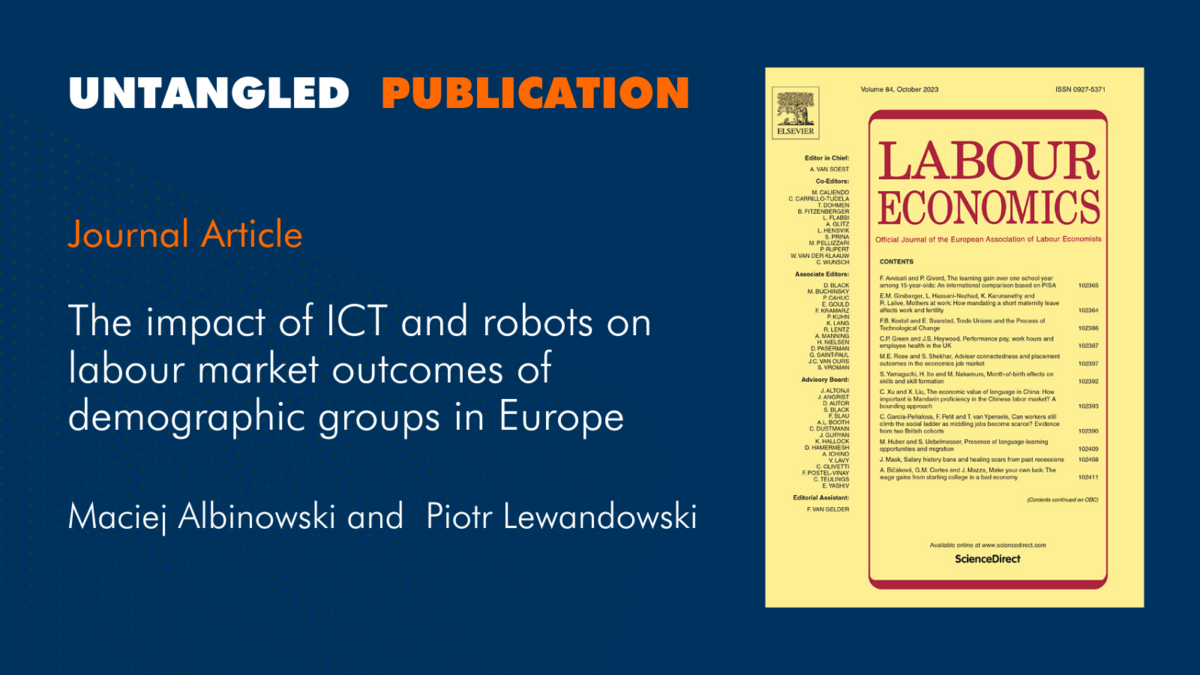
    The researchers from Warsaw’s Institute for Structural Research analysed demographic and industry-level data in 14 European economies between 2010 and 2018, finding that technology adoption affects demographic groups differently. Higher exposure to information and communication technologies (ICT) and robots increased the employment shares of young and prime-aged women, but reduced them for women aged 60 or more and prime-aged men.


    As the digitalisation of European economies accelerates, the study’s findings are important for calibrating public policies, including support for lifelong learning and the design of pension systems.


    Until now, little has been known about the impact of technological disruption on particular gender and age groups. Notably, the value of ICT capital per worker in Europe surged by 91% from 2000 to 2019, while robot exposure, measured by the number of industrial robots per 1,000 workers, jumped by 140%.


    Albinowski, M and Lewandowski, P. The impact of ICT and robots on labour market outcomes of demographic groups in Europe, Labour Economics, Volume 87,2024, 102481. The article is available here.

    Earlier version of this article:


    Maciej Albinowski, Piotr Lewandowski (2022). The impact of ICT and robots on labour market outcomes of demographic groups in Europe (Deliverable 3.1). Leuven: UNTANGLED project 1001004776 – H2020. The paper is available here.

    Categories
    Uncategorized

    UNTANGLED WEBINAR WILL EXPLORE AI AND DIGITALISATION’S IMPACT ON WORKPLACES


    As AI technologies continue to develop rapidly, predictions of labour market impacts range from far reaching substitution of both routine and non-routine work, to more moderate expectations. In many sectors, the changes appear to be more incremental than what tech visionaries assume. Improvements in job quality are found, as well as work intensification. Skill needs are often increasing rather than decreasing. Further challenges are emerging to representation of workers’ interests, as algorithm- and AI-based systems may be deployed in more opaque and complex ways than other digital technologies for which consultation and co-determination have been established in countries and sectors with strong social partnership.


    Our webinar will feature presentations from researchers who will share insights from several case studies:


    Ursula Holtgrewe (ZSI) will discuss how digital changes impact workplaces in the manufacturing and services sectors, based on case studies from Project UNTANGLED.


    Anna Milanez (OECD) will present recent findings from an OECD study.


    Trine Pernille Larsen and Anna Ilsøe (FAOS) will share findings from the INCODING project.


    To register and receive a Zoom link, please email Leonie Dworsky at dworsky@zsi.at.

    Categories
    Uncategorized

    POLICY SHOULD BOOST WORKER WELL-BEING AMID DIGITALISATION, AGEING, RESEARCHERS SAY


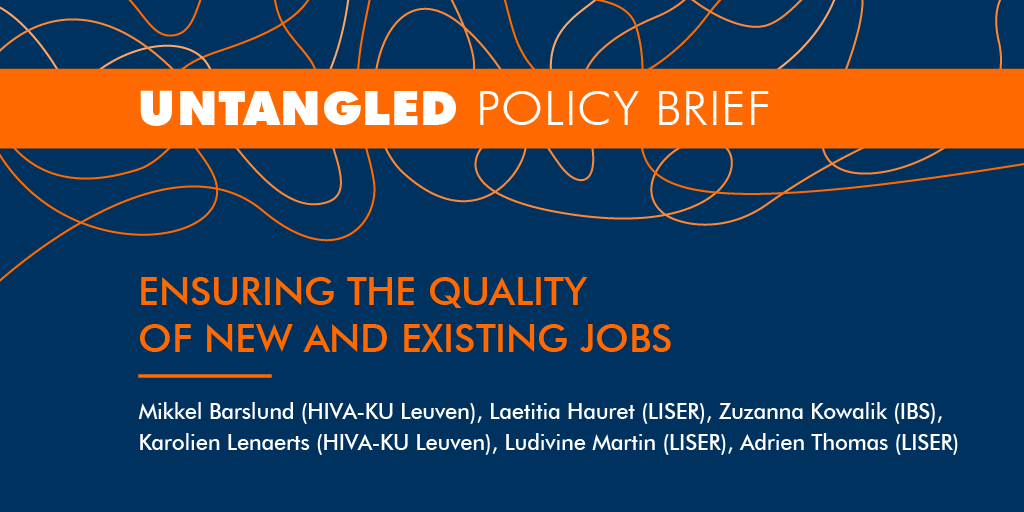
    In the policy brief: ‘Ensuring the quality of new and existing jobs’, researchers from the three-year project looked into recent policy proposals aiming to enhance both work and life quality and the delicate balance between them. Drawing on findings from Project UNTANGLED, expert consultations, and stakeholder inputs, they identify areas of policy that can be improved or need further consideration.


    “While labour markets in the EU are doing well, technological advances and demographic changes will affect not only the number but also the quality of jobs in the coming years,” said Mikkel Barslund, UNTANGLED project coordinator and research manager at HIVA-KU Leuven, who co-authored the policy brief. “We need to ensure that the policies we are implementing now will contribute to shared prosperity.”


    The COVID-19 crisis accelerated the adoption of working-from-home, praised by many for fostering employee autonomy, reducing work pressure, and increasing work effort. However, with the surge in teleworking, the drawbacks have become more apparent, including hindering team collaboration, triggering feelings of isolation, and extending working hours. Furthermore, the fact that not all workers can perform their tasks from home worsens working workplace relations and creates inequality. To address these challenges, UNTANGLED researchers argue that employers and employees should discuss and agree on the optimal number of teleworking days and workplace rules.


    Digitalisation and teleworking have also blurred the lines between home and work life, prompting employees to respond to calls, texts, and emails at all hours. Several EU countries have implemented or are considering legislation safeguarding the “right to disconnect” to prevent burnout and help workers re-establish work-life balance. Yet, Ludivine Martin, a researcher at the Luxembourg Institute of Socio-Economic Research (LISER), part of the UNTANGLED consortium, cautions against one-size-fits-all solutions, such as blocking server usage during weekends, and emphasises the need for tailored strategies that take into account sector, occupational, and technological nuances of work outside regular hours.


    Another technological development, the emergence of platforms such as Uber, Deliveroo and Bolt, has given rise to new forms of work that are organised and regulated in new ways. Platform workers, representing around 5% of employees, are exposed to limited labour protections, predominantly low and irregular income, and lack of control over working conditions. Due to their relatively new status, unregulated nature, and fast development, platform jobs create challenges that policymakers are now trying to address at the EU and national levels. The UNTANGLED researchers argue that in addition to regulating their legal employment status, granting platform workers collective bargaining rights is also crucial for improving their well-being, social protection and fair working conditions.


    “Many challenges in regulating platform work arise from its uncertain legal status and varied regulations across countries,” said co-author Adrien Thomas, a researcher at the LISER. “Governments and the EU have to define the status of platform workers and whether they should be considered employees or independent workers. Digital platform companies often position themselves as mere ‘intermediaries’ between service providers and clients, aiming to evade the responsibilities of an employer.”


    Last month the EU reached a provisional agreement on the Platform Work Directive, which aims to ensure the correct classification of platform workers’ employment status. The new rules introduce a presumption of an employment relationship, and still need to be adopted by both the European Parliament and the Council to enter into force.


    At the same time as workers, companies and governments are wrestling with the implications of these new technologies, the ageing population is becoming a major challenge for labour markets, increasing the demand for health and long-term care (LTC) workers. Many EU member states are already grappling with significant labour shortages in these sectors, marked by low pay, high turnover, and poor working conditions. LTC workers are particularly exposed to a lack of full-time work.


    Urging prompt government action, the UNTANGLED researchers propose policies to attract and retain workers in the health and LTC sectors, including raising wages, improving working conditions, and increasing staffing ratios to lighten workloads. Governments could also use their influence to encourage private facilities that receive public funds to adhere to collective bargaining agreements or meet higher job-quality standards, such as minimum wages. Policymakers should also explore strategies for attracting migrant workers, including programmes that help integrate foreign workers into local systems and re-evaluating qualifications and language requirements, the researchers said.


    Barslund, M. et al. (2023). UNTANGLED Policy brief: Ensuring the quality of new and existing jobs (Deliverable 7.2) Leuven: UNTANGLED project 1001004776 – H2020.


    You can read the policy brief here.

    Categories
    Uncategorized

    AUTOMATION CAN IMPROVE JOBS, NOT DESTROY THEM, UNTANGLED STUDY FINDS


    In their paper “Automation in Shared Services Centres: Implications for Skills and Autonomy in a Global Organisation”, Zuzanna Kowalik, Piotr Lewandowski, Tomasz Geodecki, and Maciej Grodzicki investigated SSCs, which are business units that handle back-office functions such as accounting, finance, human resources, and IT, to assess how automating tasks affects both the quantity and the quality of jobs.


    “Our study found that robots, algorithms, and bots introduced to SSCs did not reduce headcount or employees’ workloads, but changed the tasks they performed,” said Zuzanna Kowalik of the Institute for Structural Research. “These technologies eliminated “click work”, the monotonous, laborious tasks that workers find undesirable.”


    The researchers focused on the Polish SSC sector due to its popularity with global companies setting up such facilities. While the sector has experienced rapid growth over the last two decades, accounting for 6.7% of total business sector employment in Poland, it is marked by routine-intensive, repetitive jobs, making it particularly vulnerable to automation. The adoption of technologies such as robot process automation (RPA), artificial intelligence (AI), and intelligent process automation (IPA) can easily replace human labour.

    In recent years, Polish service centres have increasingly adopted automation, with almost 60% now using solutions based on IPA, and an additional 30% planning implementation to optimise costs. Yet fears that automation will reduce employment have not yet materialised.


    This automation surge is happening against the backdrop of a labour shortage. The supply of educated graduates, a primary labour source for service centres, has dwindled due to demographic declines. Simultaneously, corporate headquarters have delegated more complex tasks to centres in Poland. With the growing demand for more complex skills and a limited number of people who can perform standard tasks, the automation of routine functions has emerged as a pragmatic solution to address labour shortages and improve the appeal of SSC jobs, facilitating the recruitment and retention of qualified candidates.


    “Employees of SCCs aren’t afraid of automation; it makes their work easier, and they can focus on more interesting, challenging tasks,” says study co-author Piotr Lewandowski. “In this sense, automation improved job quality by eliminating most mundane and repetitive chores.”


    While the approach to automation varies among firms, the researchers observed that employees of SSCs that adopt a bottom-up approach tend to enjoy greater autonomy and higher job satisfaction. This approach assumes active worker engagement in the automation process, with employees developing micro-solutions or enhancements to simplify and significantly shorten processes.


    Furthermore, employee involvement in the automation process contributes to skill development. As tasks evolve, workers must adapt to more advanced roles, emphasising personal and professional expertise. Entry-level workers benefit from increased demand for skills such as critical thinking.


    Kowalik, Z., Lewandowski, P., Geodecki, T., Grodzicki, M. (2023). Automation in Shared Service Centres: Implications for Skills and Autonomy in a Global Organisation,  IBS Working Paper 08/2023

    Categories
    Uncategorized

    DIGITALISATION AND AUTOMATION PROVE BENEFICIAL FOR GLOBAL PRODUCTION, UNTANGLED STUDY FINDS

    “Digitalisation and automation aren’t as detrimental to the current organisation of production networks as previously thought,” said Isabelle Rabaud, a professor in international economics at Université d’Orléans, in France, and co-author of the study.


    “Rather, technologies tend to strengthen existing backward and forward links that already exist between countries,” Rabaud said.


    Economists have long understood that robotics and high-tech innovations can fuel productivity gains, but little focus has been paid to how technology affects where production is located globally. This knowledge gap includes whether the adoption of robots will lead to “reshoring,” the process of returning production to Europe from abroad.


    To address this academic shortcoming, Rabaud together with colleagues from Université d’Orléans, Camelia Turcu and Marcel Voia and Robert Stehrer from the Vienna Institute for International Economic Studies, reviewed data from the OECD, the World Bank, the Centre d’Études Prospectives et d’Informations Internationales (CEPII), and the International Federation of Robotics. Using these data as inputs, the researchers created two models to test technologies’ effect on production networks.


    In the first model, foreign value added in gross exports was analysed from 63 origin countries present in the exports of 27 EU destination countries. Internet use and broadband subscriptions were used to determine the role of digitalisation on the importance of backward global value chain (GVC) participation. The researchers speculated that higher degree of diffusion of ICTs would raise backward linkages in line with easier communication and lower costs of coordination.


    Twenty-eight sectors in 36 non-EU countries of origin were examined. Sectors included transport, postal activities, accommodation and food services, insurance, and financial services.


    To capture the effects on forward GVC participation, the researchers created a second model to simulate the effect of robot use in imported intermediate products (such as raw materials, ingredients, energy, and services) on the receiving industry in the destination country.


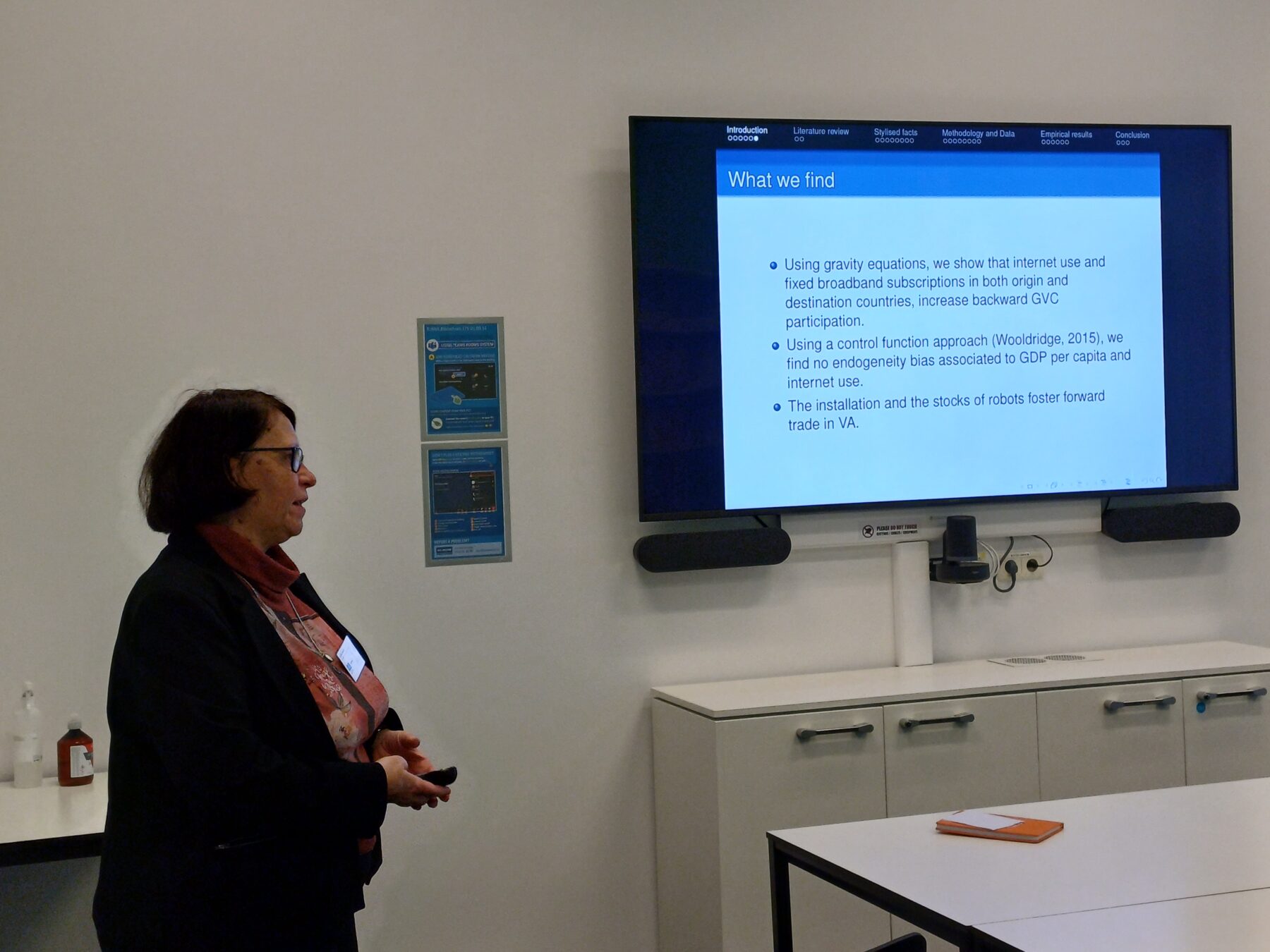
    Using gravity equations, the researchers confirmed that the industrial use of robot, internet use and fixed broadband subscriptions in both origin and destination countries tend to increase fordward GVC participation. Results on backward GVC participation were more mixed.


    “As economist Richard Baldwin famously suggested, technology enabled localized concentration of production and trade, in what he termed ‘factory Europe,’ ‘factory Americas,’ and ‘factory Asia,’” said study co-author Stehrer. “Our findings reinforce this and confirm technology’s leading role in the regional organisation of production.”

    Rabaud,I., Stehrer, R., Turcu, C., Voia, M. (2023). The impact of technology and connectivity on trade patterns (Deliverable 3.4). Leuven: UNTANGLED project 1001004776 – H2020.

    The paper is available here.

    Categories
    Uncategorized

    ALMOST 50 SCHOLARS GRAPPLE WITH LABOUR-MARKET ISSUES AT UNTANGLED FINAL CONFERENCE

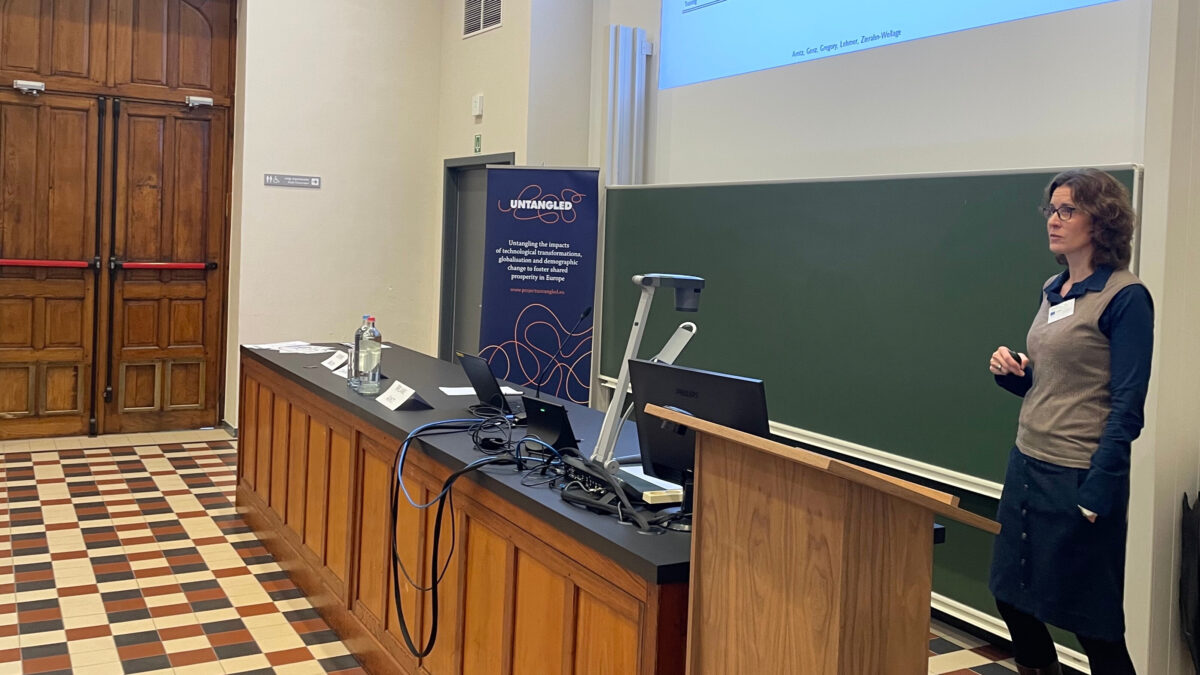
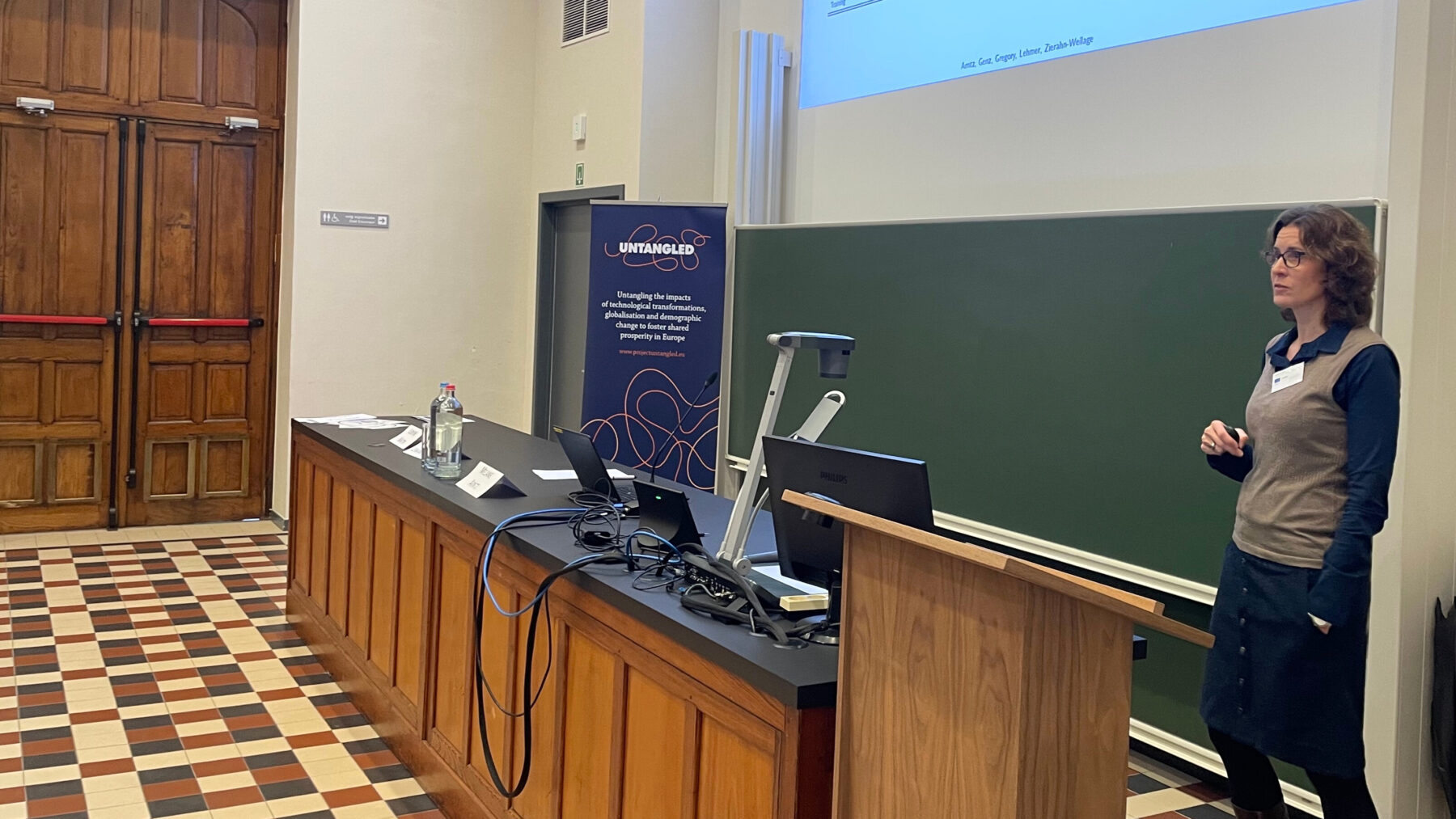
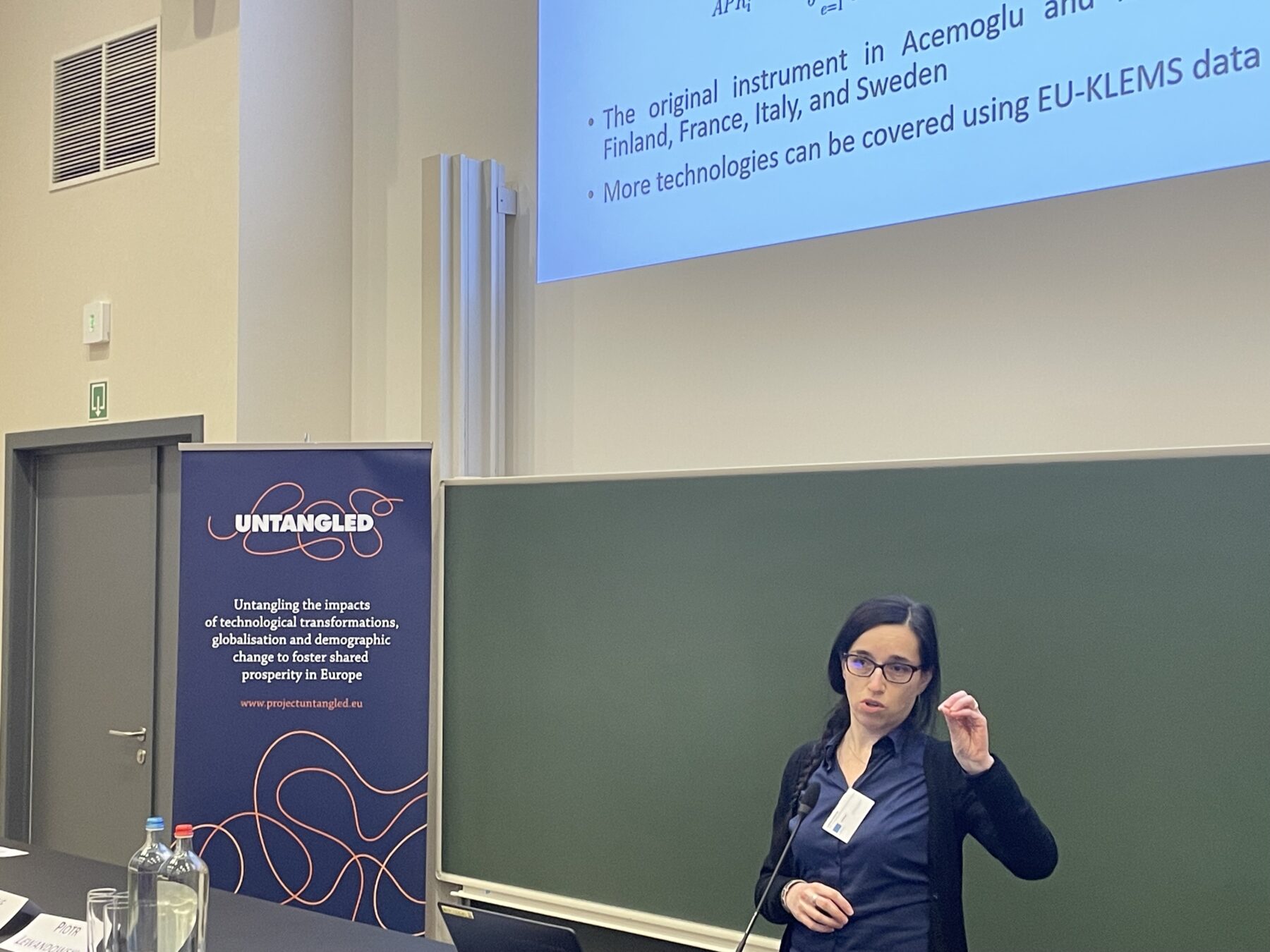
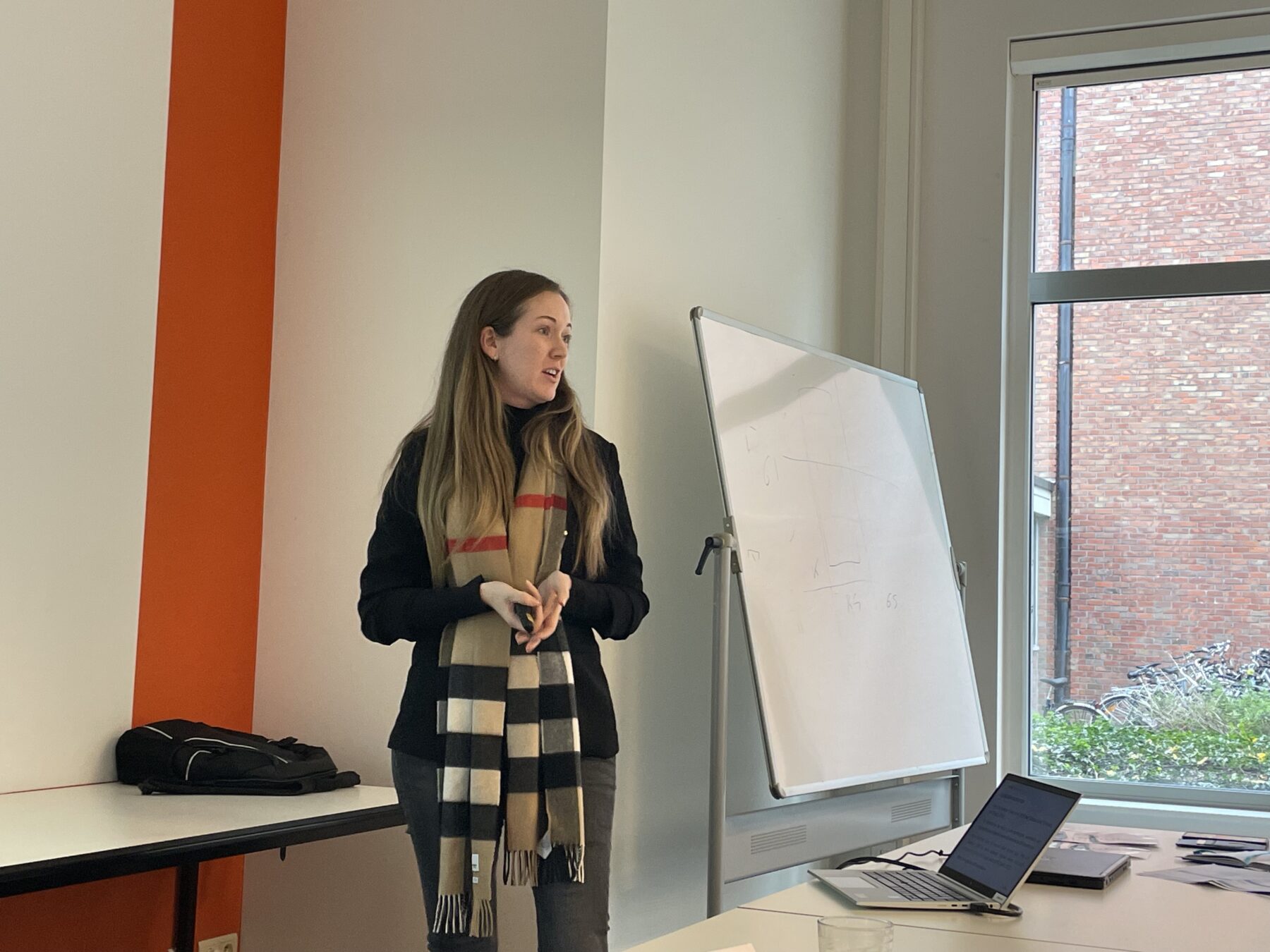
    Held on 23 November at HIVA KU-Leuven, the conference comprised nine sessions, featuring 30 presentations and drawing 47 participants from research institutes and universities across Europe.


    “We had a very productive day, filled with discussions of the dynamic changes occurring in the labour market, such as emerging forms of work, the well-being of workers, and the impact of AI and other technologies on occupations, tasks, and wages,” says Mikkel Barslund, who coordinates the UNTANGLED research consortium. “I am particularly pleased that we could also exchange ideas with our colleagues from other Horizon projects, such as Pillars, GI-NI, and TransEuroWorks.”


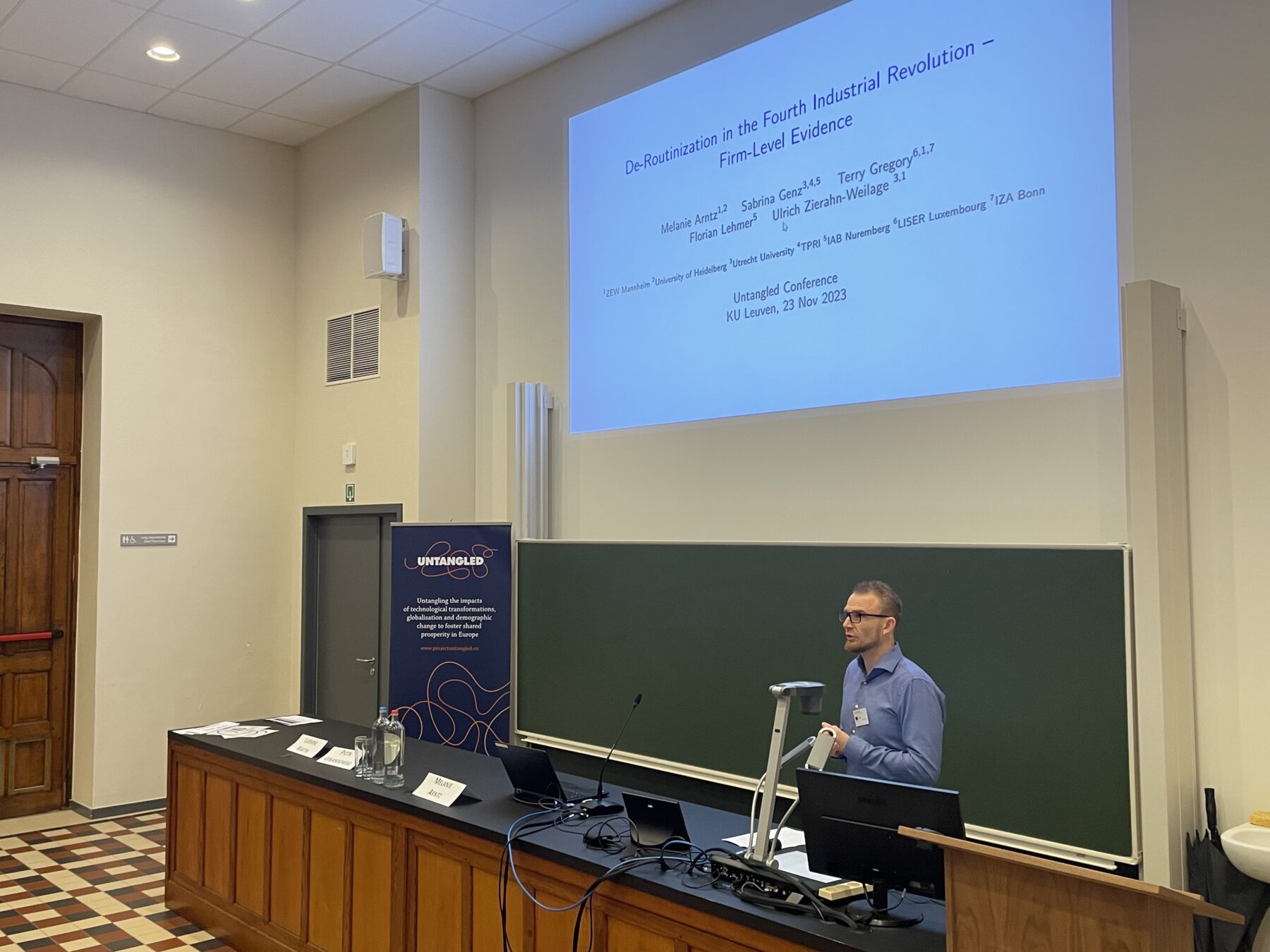
    The event started with a keynote from Melanie Arntz (ZEW), “De-Routinization in the Fourth Industrial Revolution – Firm-Level Evidence”. She showed that the diffusion of frontier technologies is likely to accelerate deroutinisation. The decline in routine-intensive work will be concentrated among companies that are ready to use technologies most efficiently and make the necessary investments in training to address changing skills needs. Frontier technologies have an inherently self-reinforcing character in terms of deroutinisation. Larger companies are better able to train people, and have a higher share of non-routine cognitive workers. That means they grow faster, which has effects on market concentration.


    Generative AI

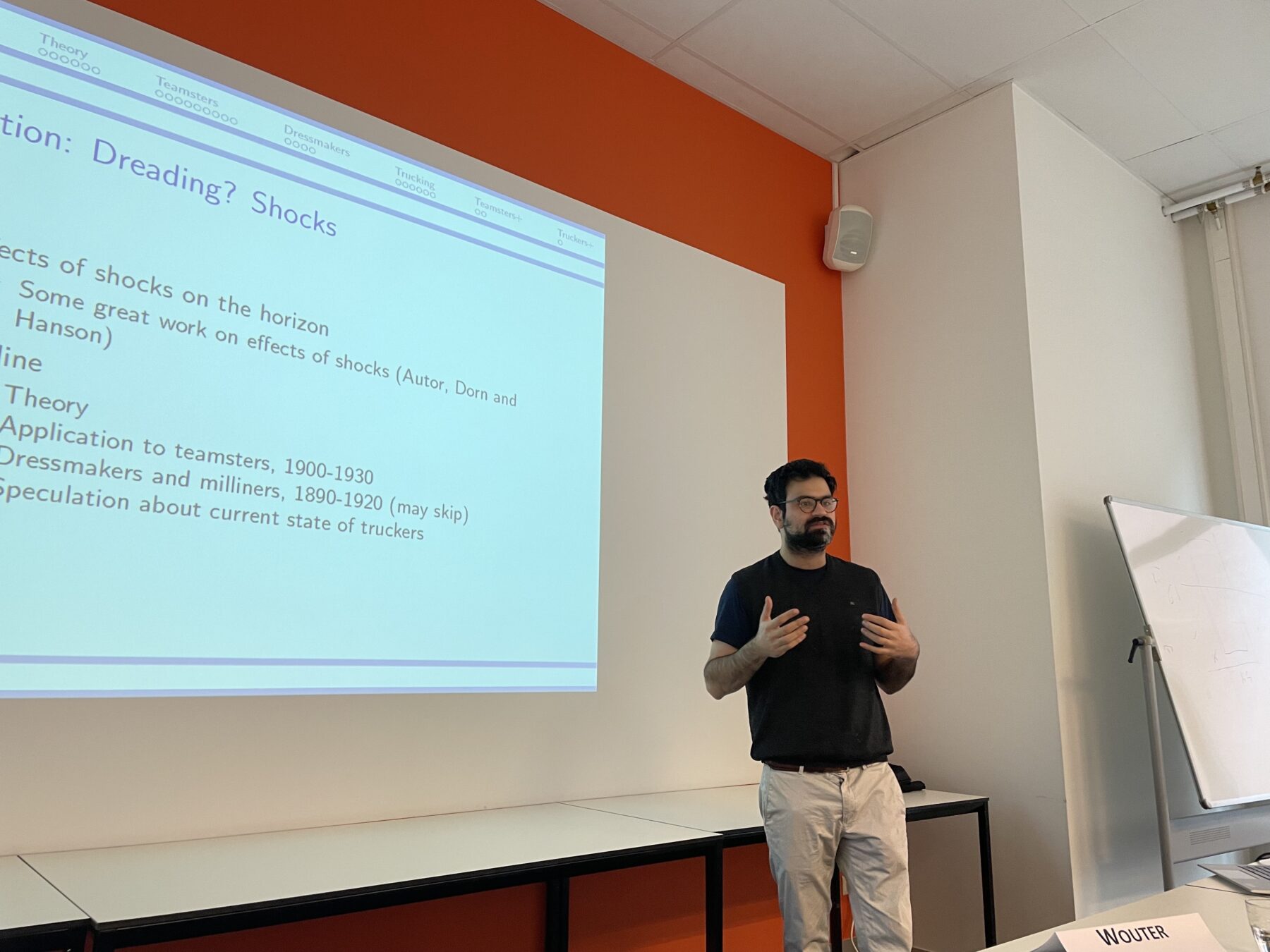
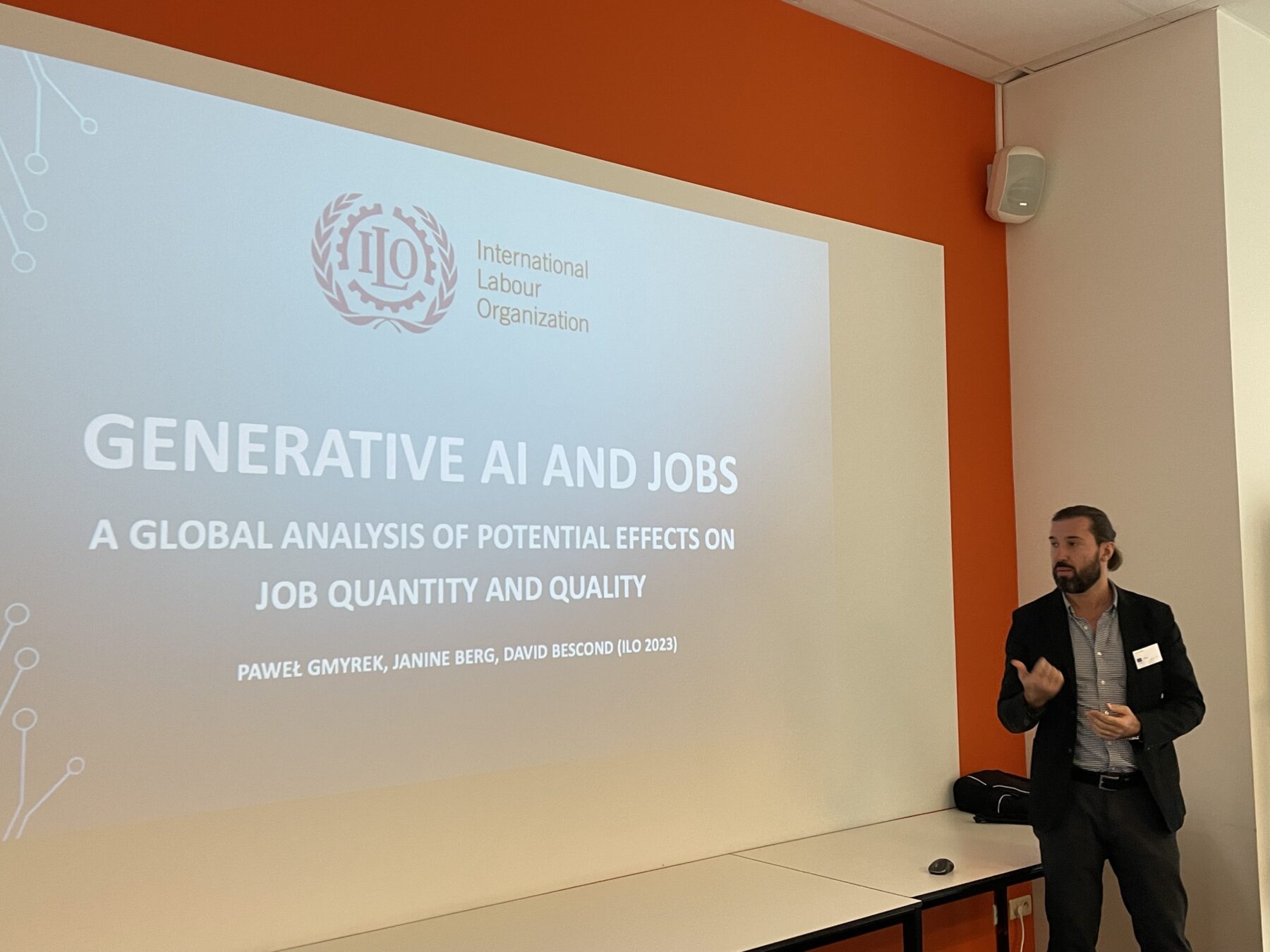
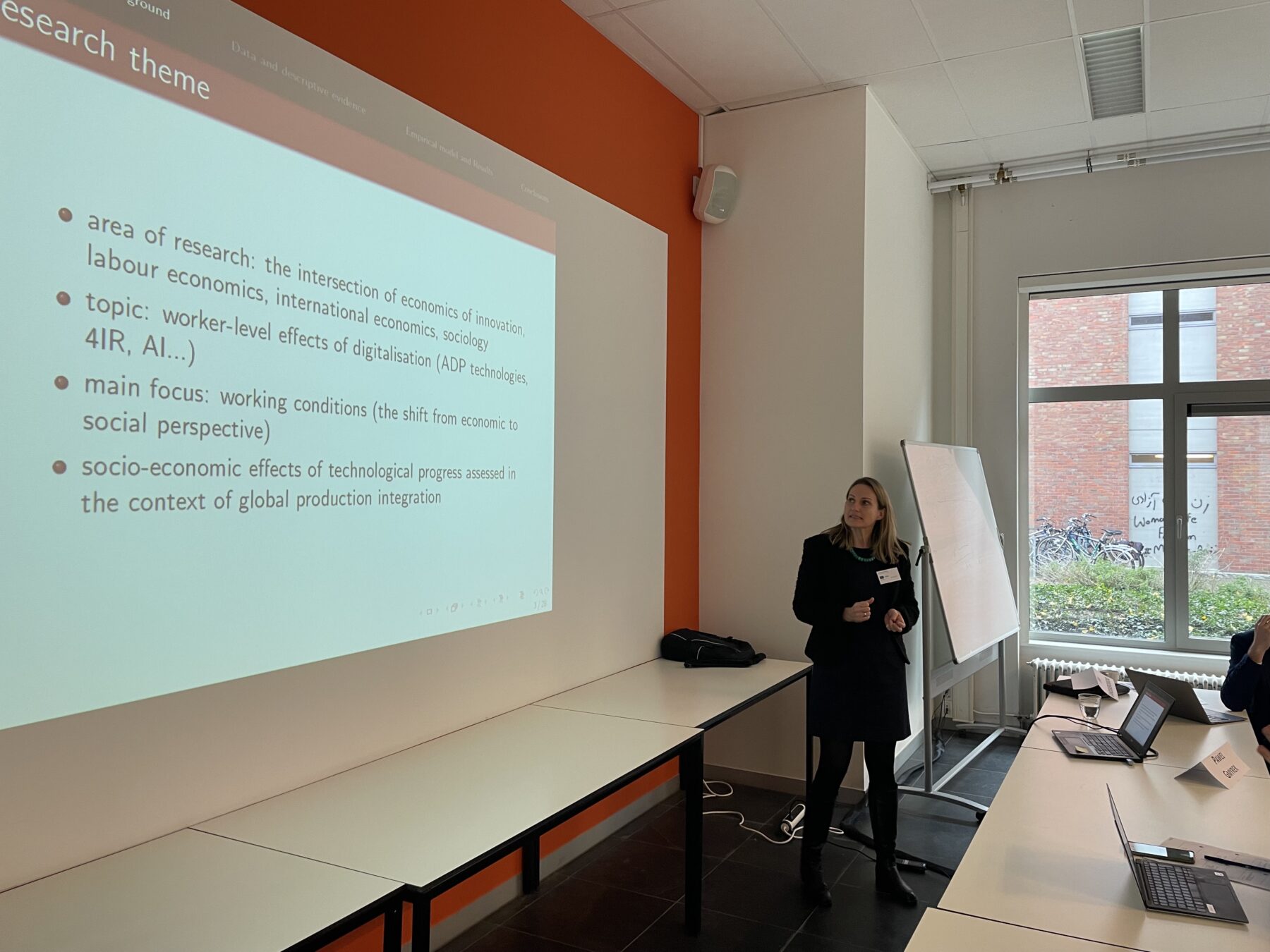
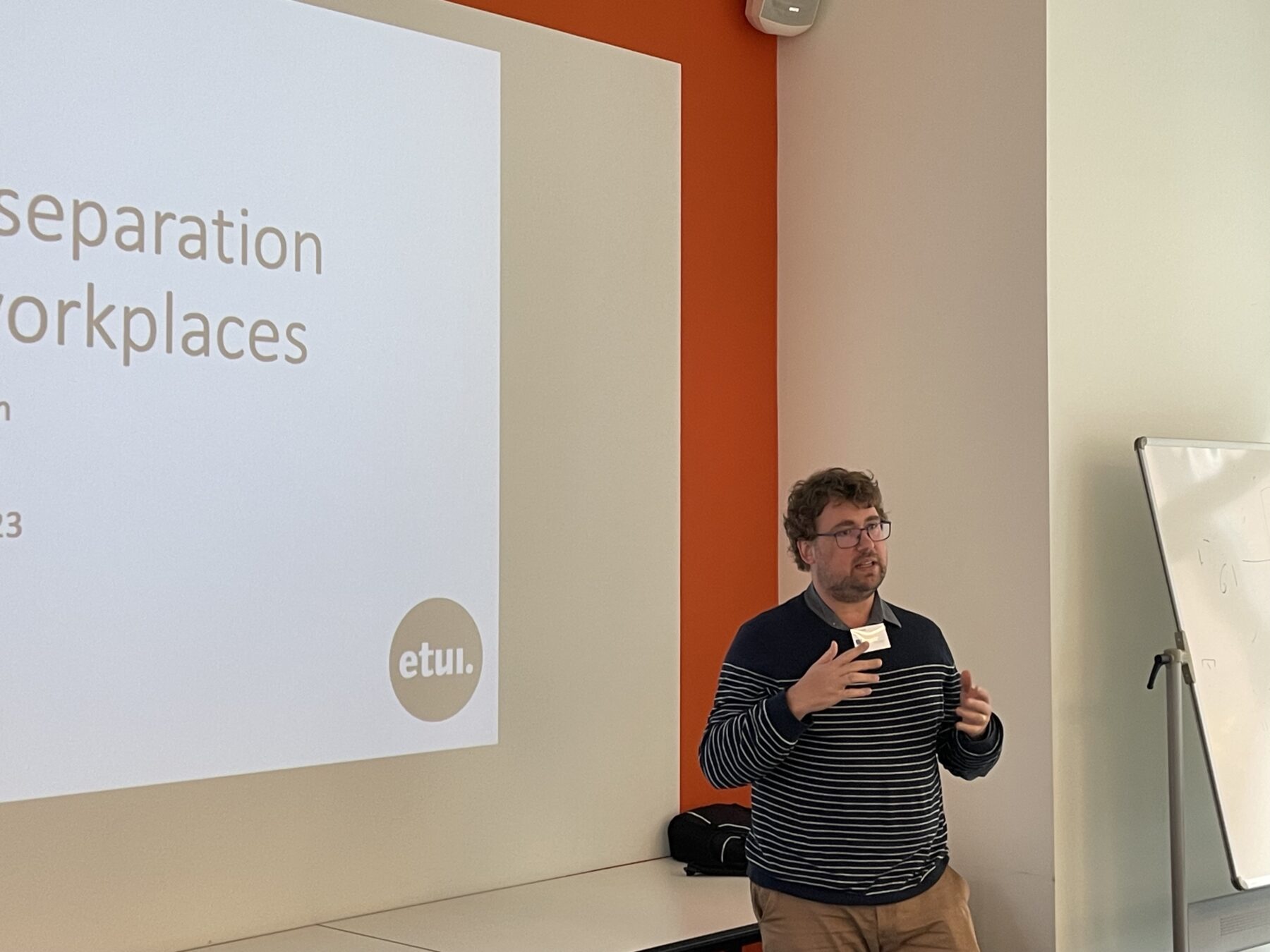
    In the session “Jobs and their Quality,” researchers explored the impact of green investments and the adoption of AI and ICT on the working environment and well-being of employees. Fabrizio Pompei (UNIPG) demonstrated that investing in green technologies enhances industrial relations in Italy, with unions actively contributing to the implementation of ecological transitions. Next, Paweł Gmyrek (ILO) presented a paper on the influence of Generative AI on the quantity and quality of jobs, providing evidence that widespread technology adoption will not kill jobs but alter their nature. He also showed that introducing technology in consultation with workers yields better outcomes in terms of job quality and productivity. In her presentation, Aleksandra Parteka (Gdansk University of Technology) highlighted that employee well-being is linked to the type of technological exposure, with workers who are exposed to software and robots facing worse working conditions than those dealing with AI. Wouter Zwysen (ETUI) concluded the session by exploring the widening polarisation between workers with lower and higher skills in their access to better workplaces.


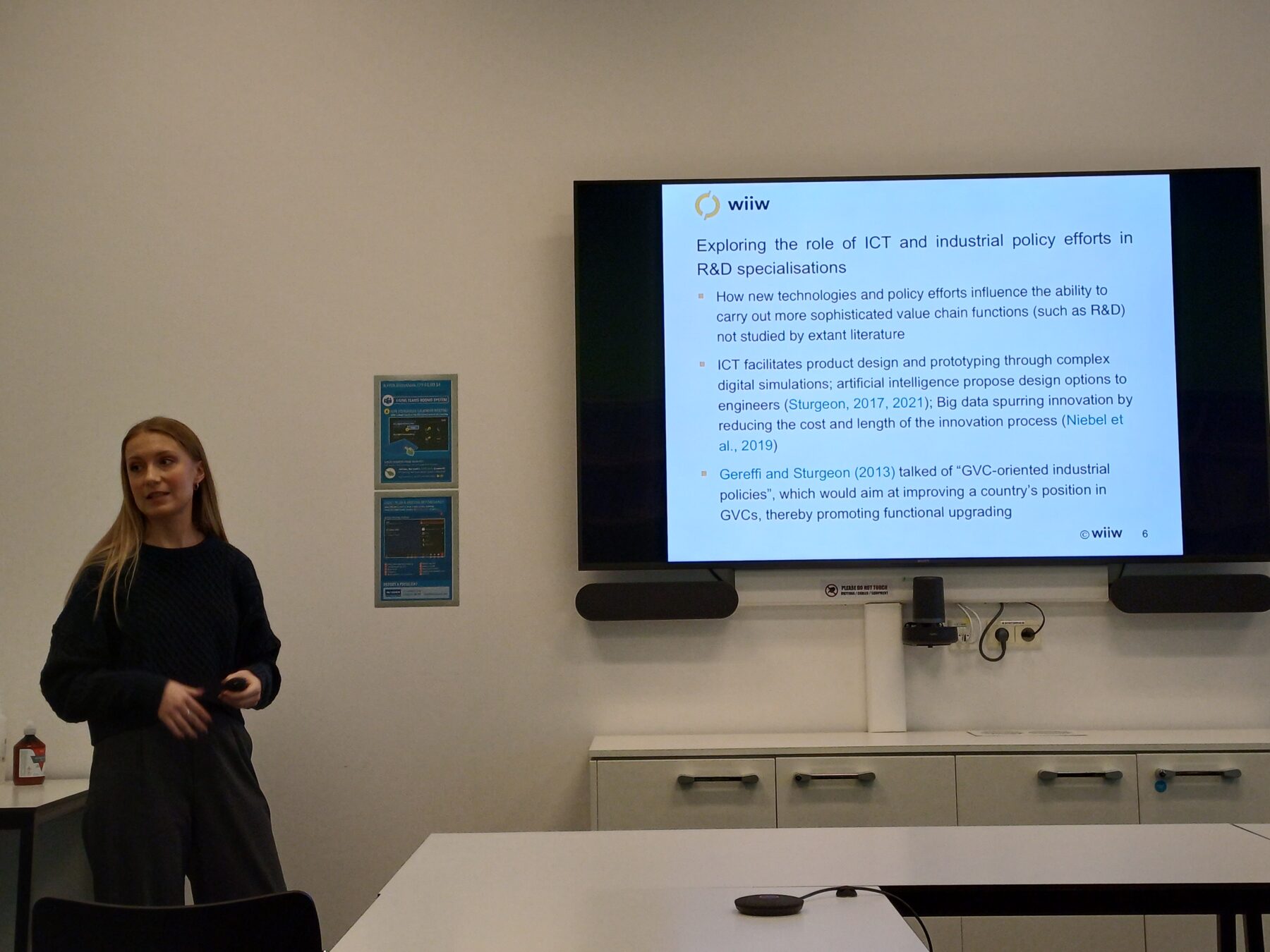
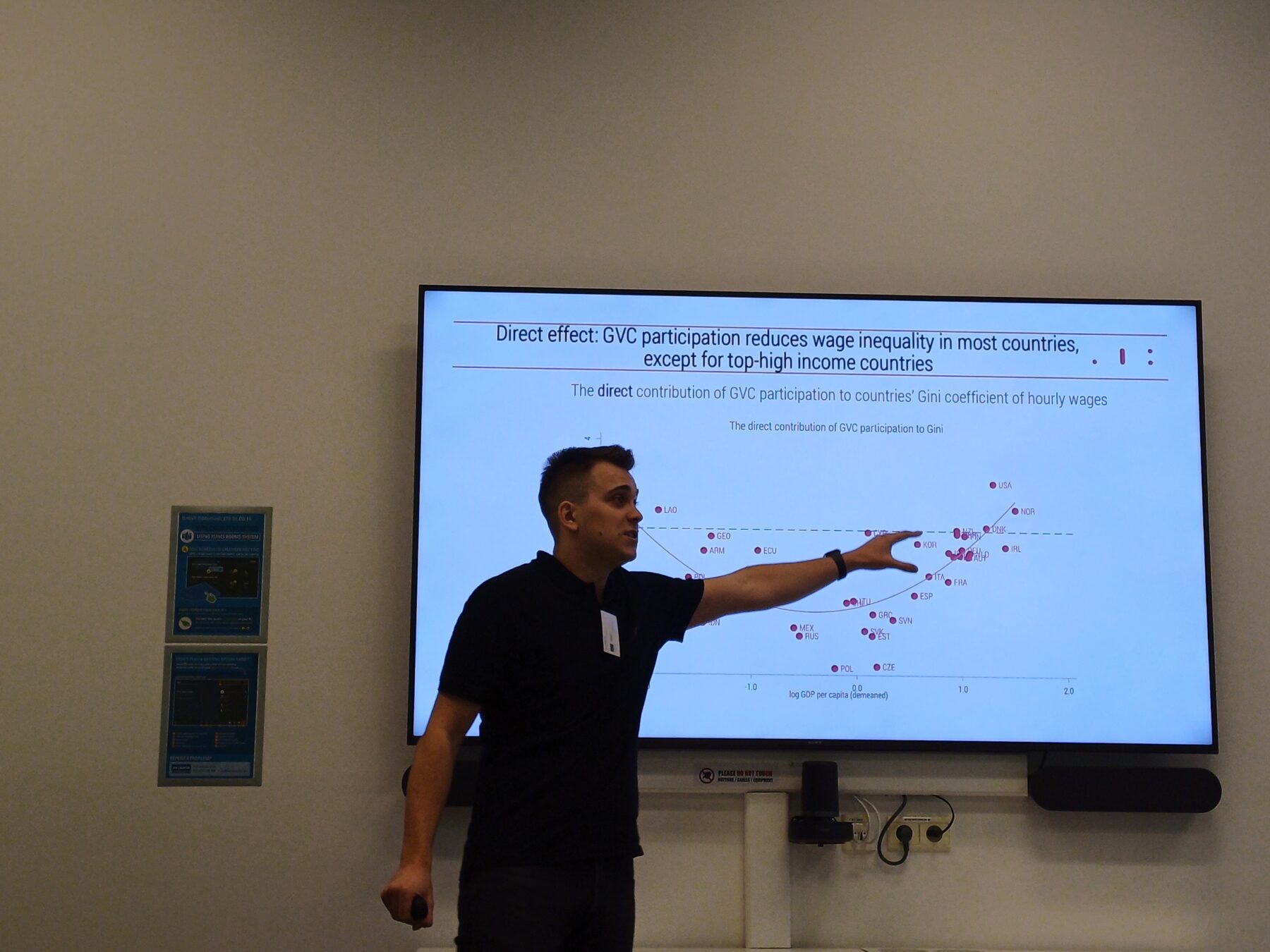
    Karol Madoń (IBS) initiated the Global Value Chains (GVC) session by presenting a paper that demonstrates a negative association between GVC participation and wage inequality in most low- and middle-income countries receiving offshored jobs, while revealing a positive correlation in high-income countries outsourcing jobs. Isabelle Rabaud (University of Orléans) showed that digitalisation reinforces backward GVC participation and that new technologies enhance GVC participation. Zuzana Zavarska (wiiw) showed that investments in digital technologies and business R&D increase specialisations in R&D activities within the value chain, especially benefiting less developed EU countries. Xianjia Ye (Groningen University) wrapped up the session with a discussion of how changes in technology, trade and consumption impact the demand for jobs in particular functions.


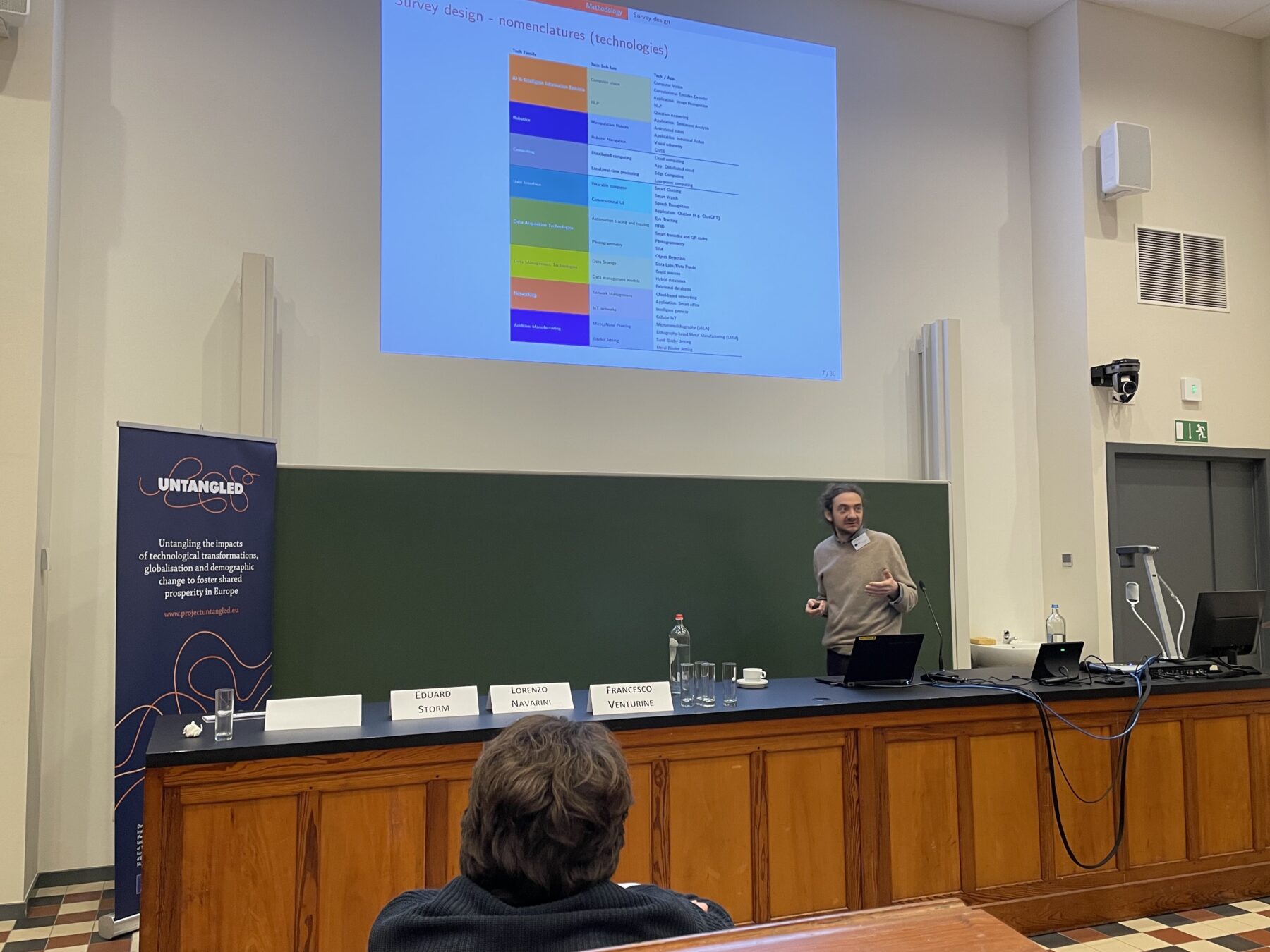
    The “Skills and Tasks” session centred on the evolution of skills demand and task content in occupations. Lorenzo Navarini (KU Leuven) shared his research on changes in direct and indirect returns to skills. Eduard Storm (RWI) investigated the impact of the growing demand for AI skills, revealing no effects on employment but a positive impact on wages. Finally, Tommaso Ciarli presented survey results indicating that by 2030, NLP and Machine Learning technologies, mobile and collaborative robots, and network management and orchestration technologies will become prevalent and take on roles traditionally performed by technicians and professionals, such as data analysis.


    Green transition

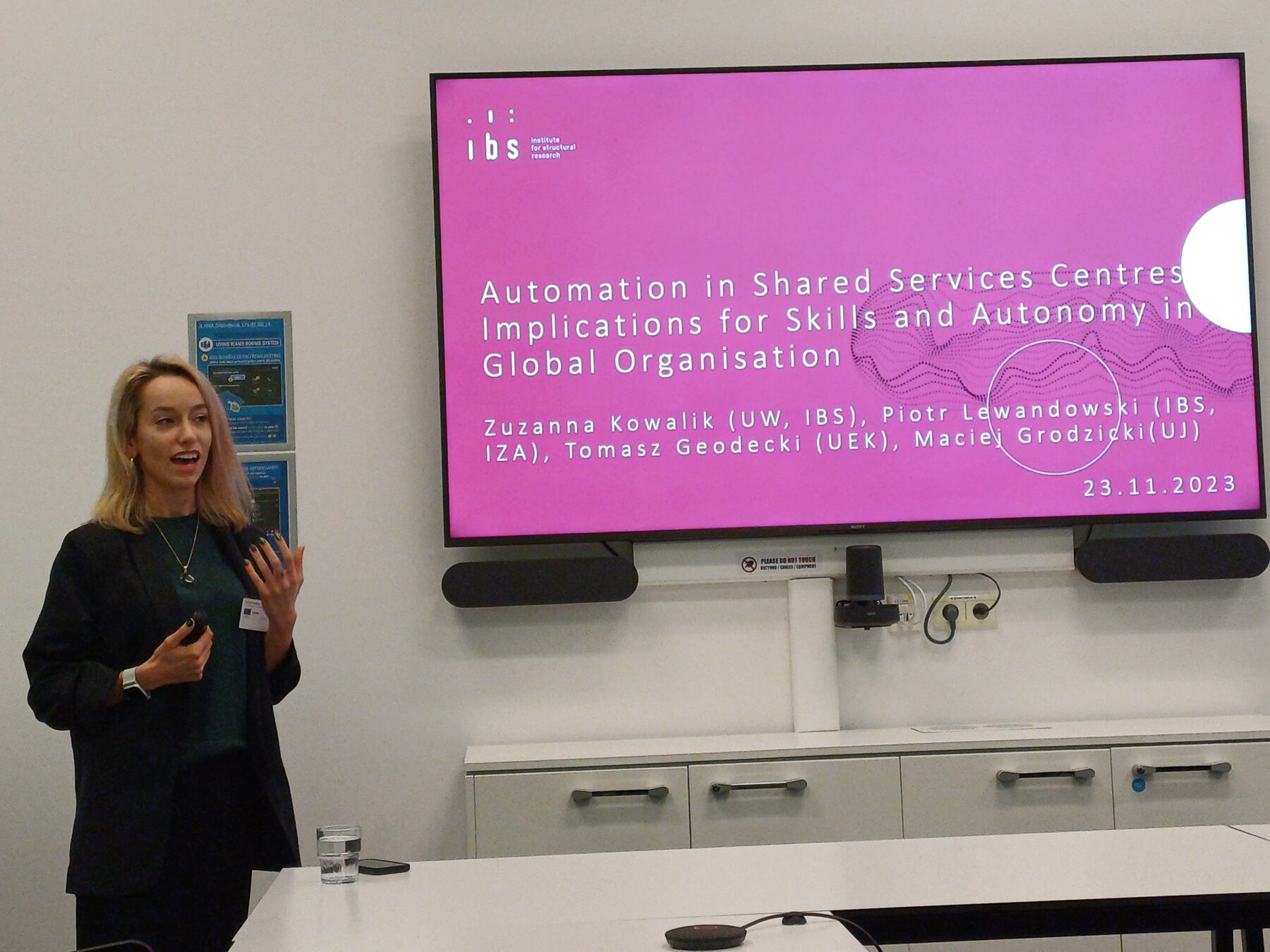
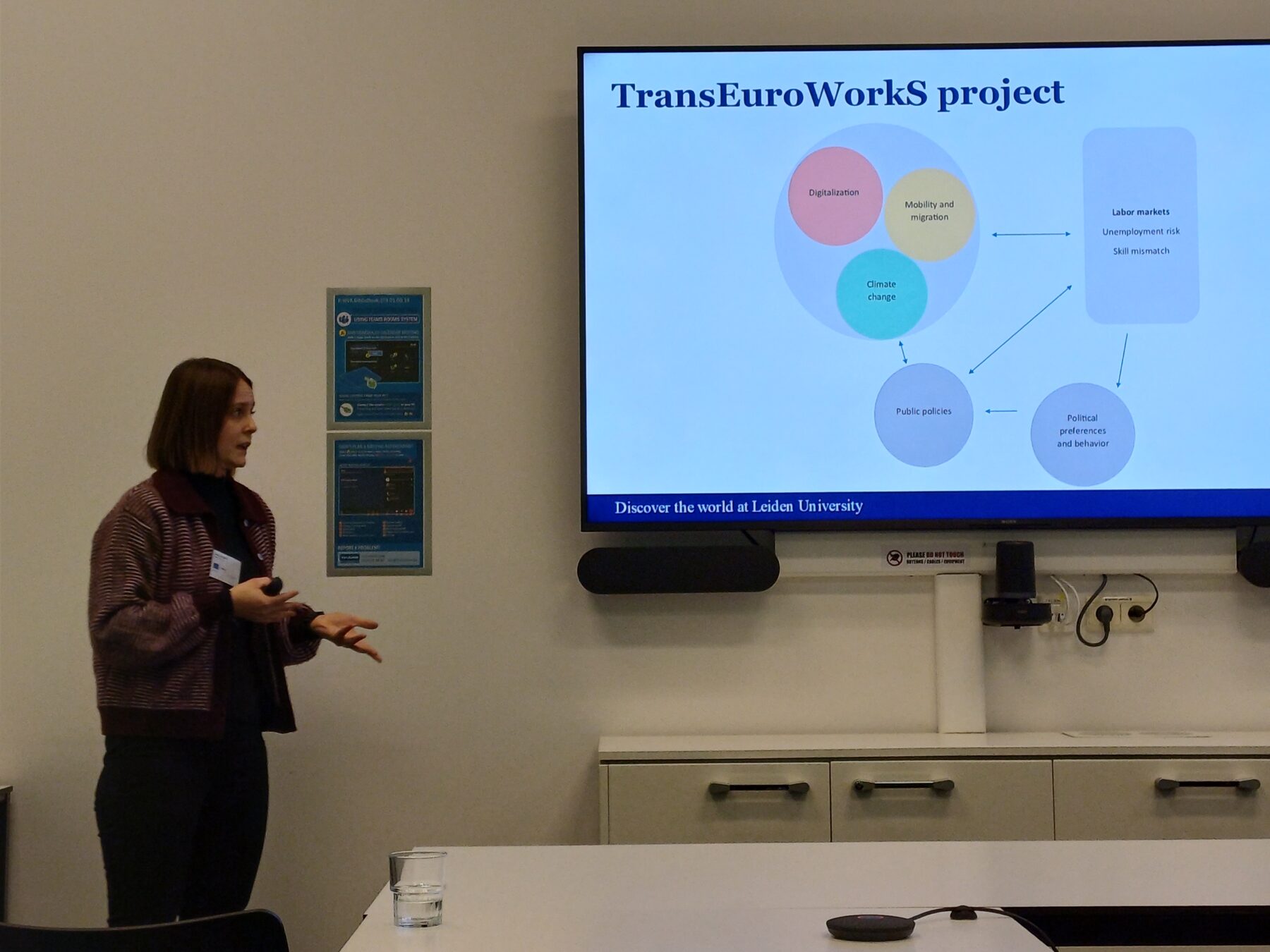
    During the “Inside Firms and Organizations” session, researchers delved into the impacts of migration, automation, and the green transition on workers and workplaces throughout Europe. Ursula Holtgrewe (ZSI) presented case studies from UNTANGLED, revealing that the influence of three megatrends (technological transformation, globalisation and demographic change) on various sectors is mitigated by employment practices, industrial relations, and market regulations. Zuzanna Kowalik (IBS) followed, with an examination of the effects of automation on skills and power dynamics within shared service centres (SSCs) in Central and Eastern Europe. She highlighted that workers must adapt their skills to remain relevant as Robot Process Automation (RPA) and AI pose threats to routine-intensive tasks within SSCs, impacting both their growth and their competitiveness. A presentation from Anna-Lena Nadler (Leiden University) focused on the political consequences of structural changes that are taking place in labour markets. She argued that these changes have the potential to influence political support for enhanced EU social protection policies.


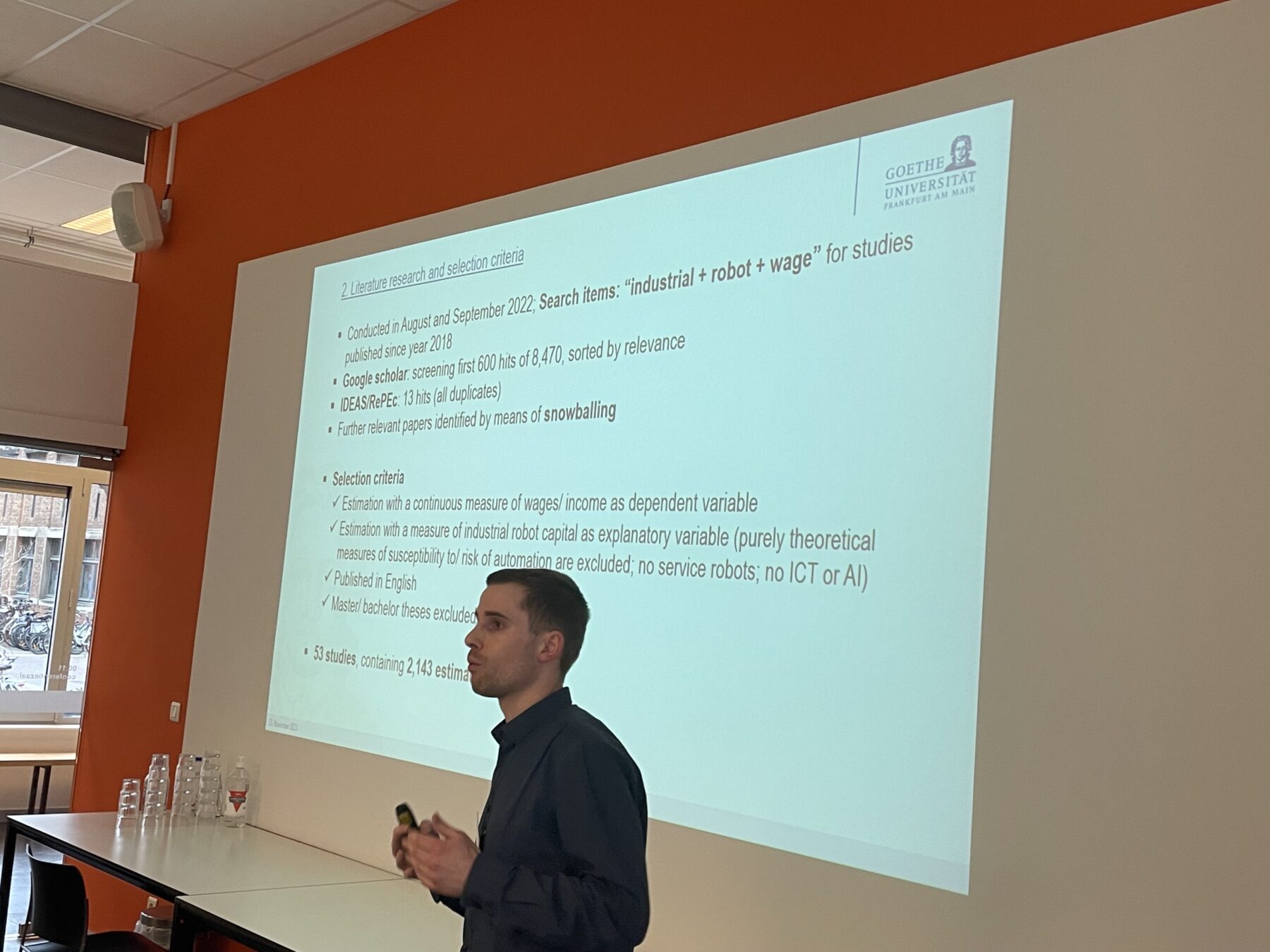
    The “Technology, Jobs, and Wages” session comprised three presentations. Antea Barišic (University of Zagreb) presented compelling evidence indicating that the adoption of new technologies, as measured by factors such as patents, ICT investments, and robot intensity, exerts a limited impact on wages and labour income shares. Florian Schneider (VDMA) shared the results of a systematic literature review, revealing that the overall effects of industrial robot adoption on wages hover close to zero and lack economic significance. Malhotra Raghav (Leicester University) presented a paper examining the influence of technology shock on wage dynamics. Raghav’s findings demonstrated that occupations facing obsolescence are marked by higher salaries (referred to as obsolescence rents) but employ fewer and older workers.


    Platform workers

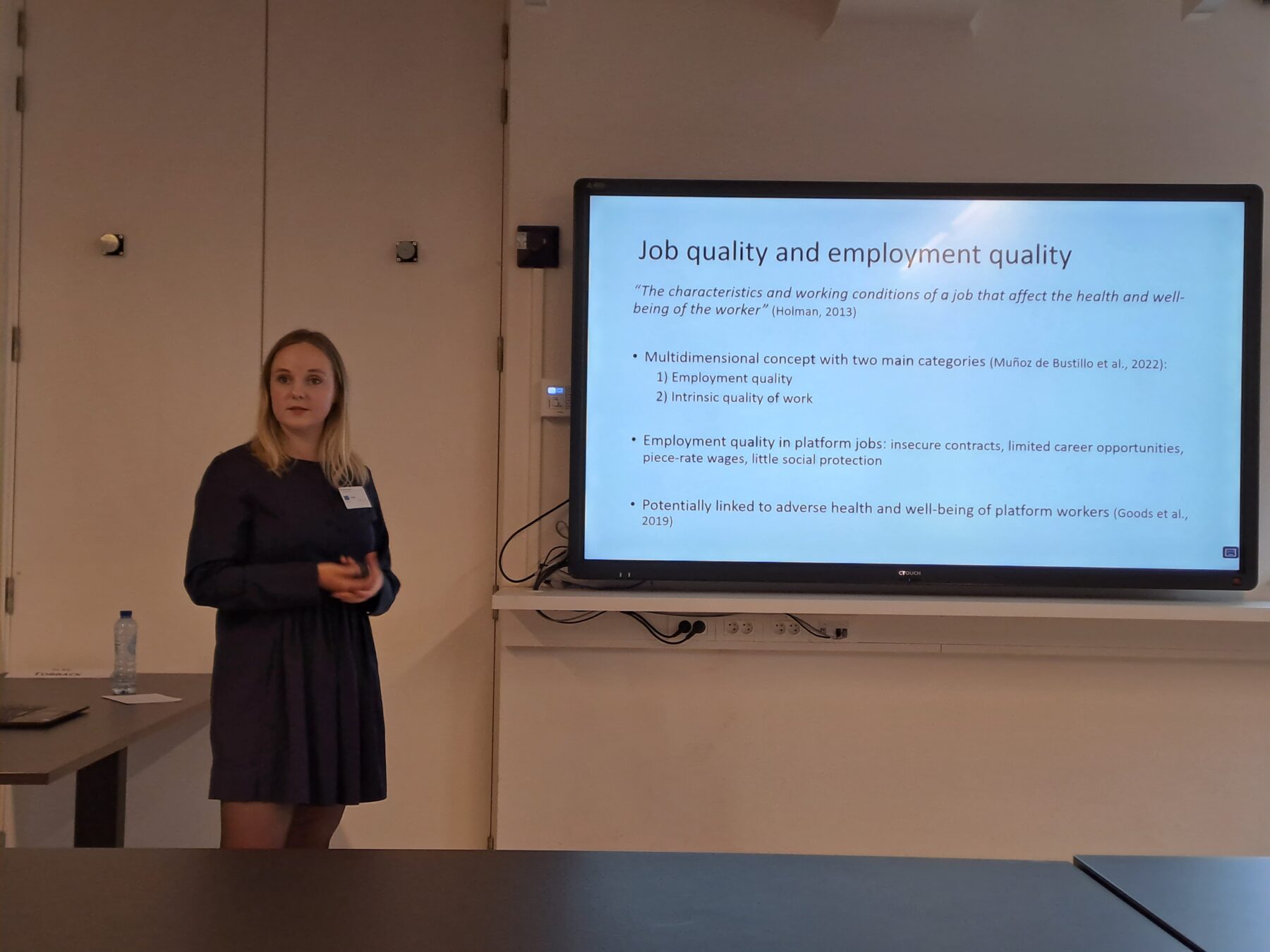
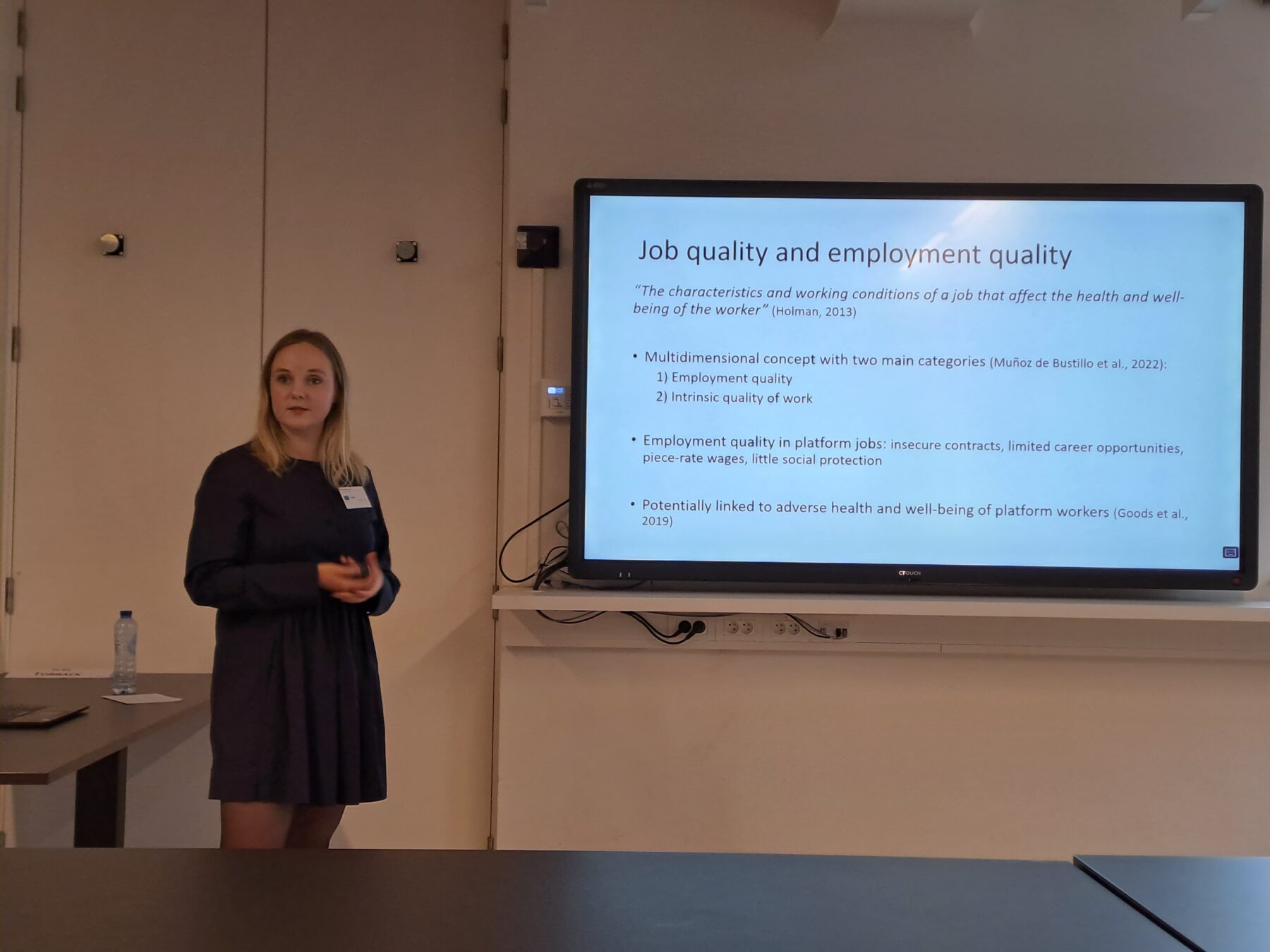
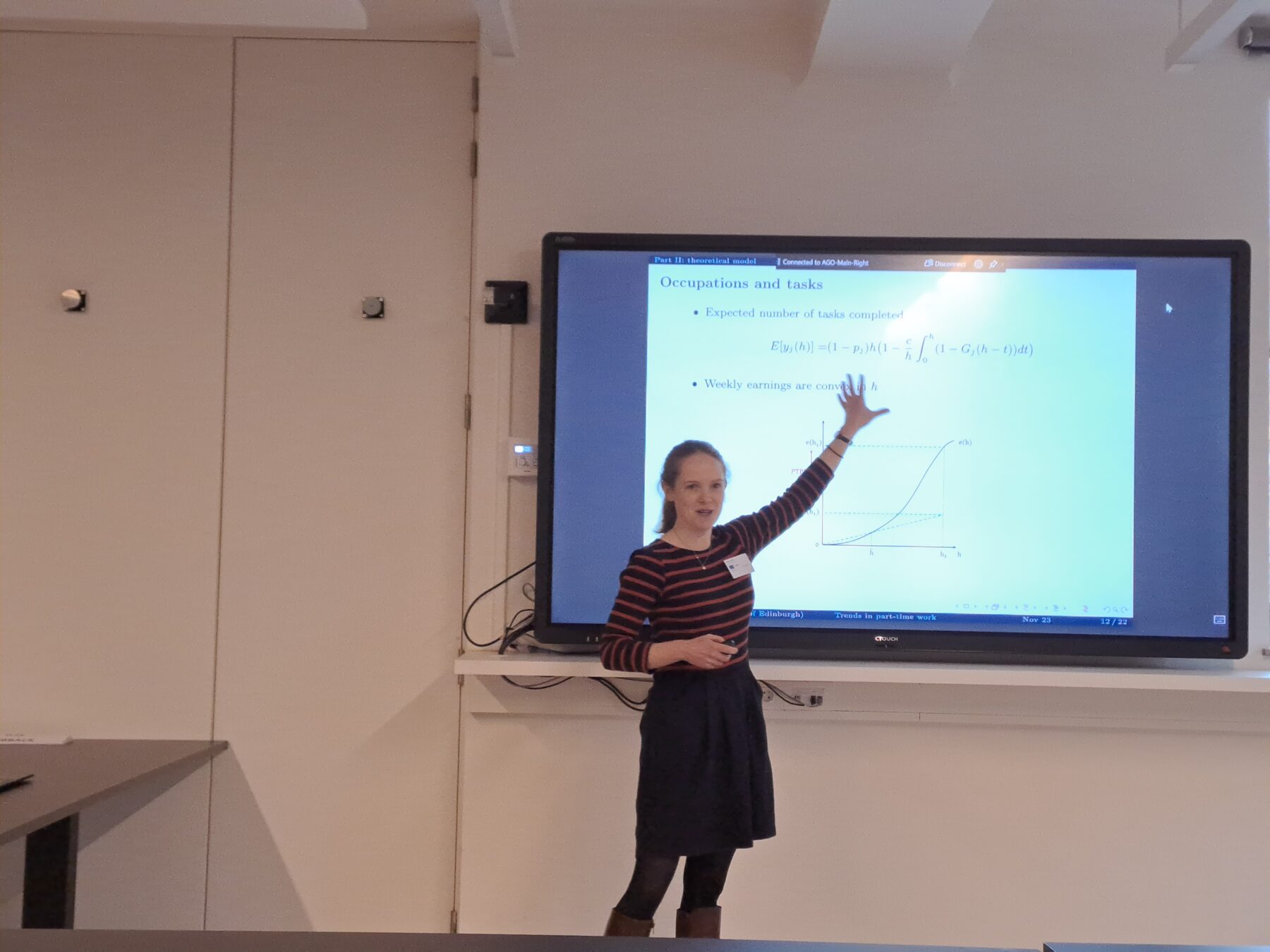
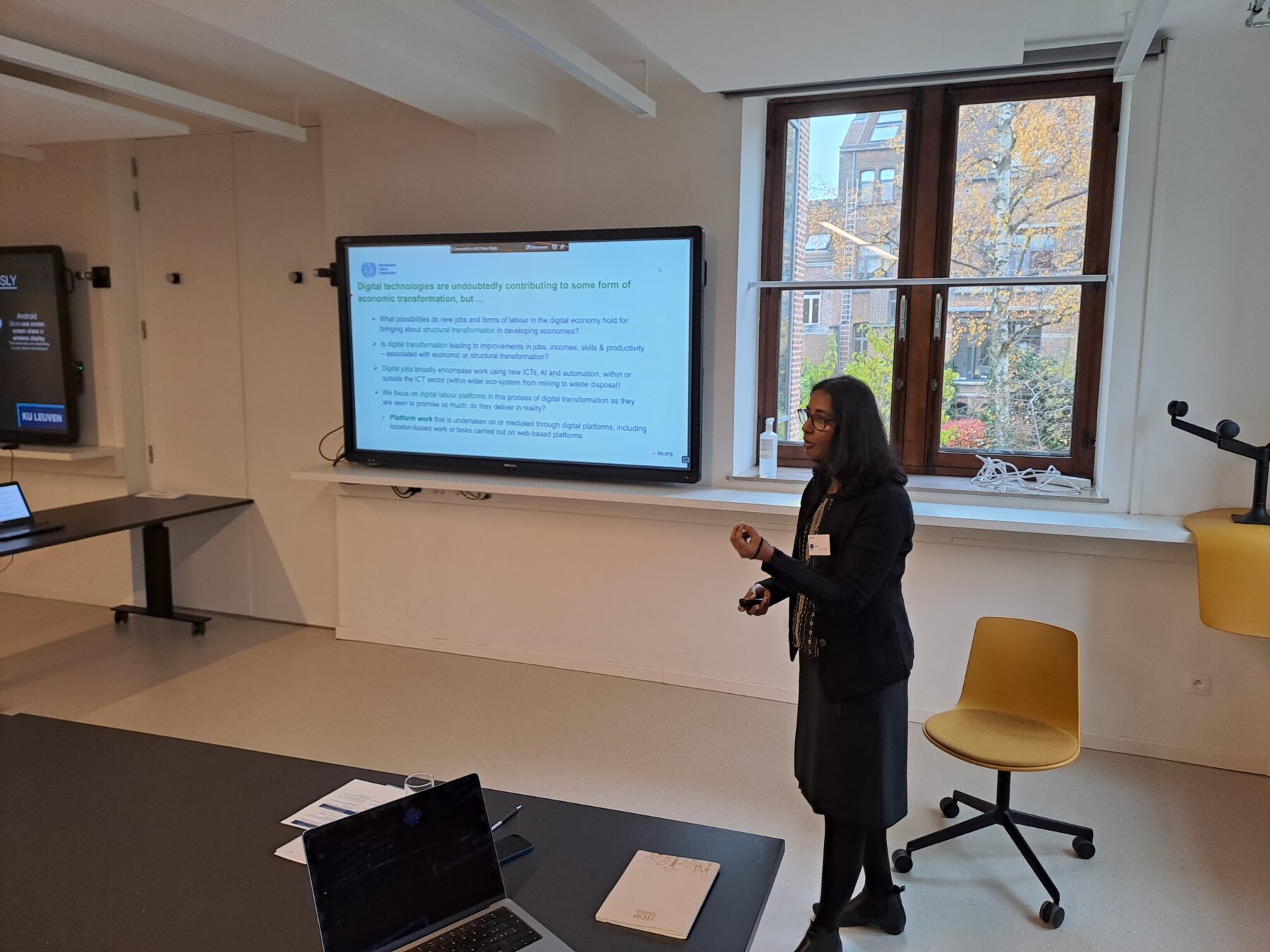
    The “Platform and Flexible Work” session looked at emerging forms of work and the associated opportunities and risks for workers. Uma Rani (ILO) explored whether the rise of platform work could facilitate economic catch-up and sustainable development in low-income economies. She proposed policies, institutional arrangements, and regulatory measures to effectively integrate digitalisation with structural reforms. Elief Vandevenne (VUB) concentrated on the impact of platform jobs on workers’ health and well-being, revealing a consistent positive relationship between poor employment conditions and diminished well-being. Rachel Scarfe (Edinburgh University) highlighted the increasing share of part-time jobs in the EU, coupled with a narrowing wage gap between part-time and full-time workers. However, Scarfe questioned whether these trends result from shifts in workers’ preferences or structural changes in firms’ technology. To shed light on this, she developed a labour market model capable of explaining both firms’ and workers’ preferences for part- and full-time work.


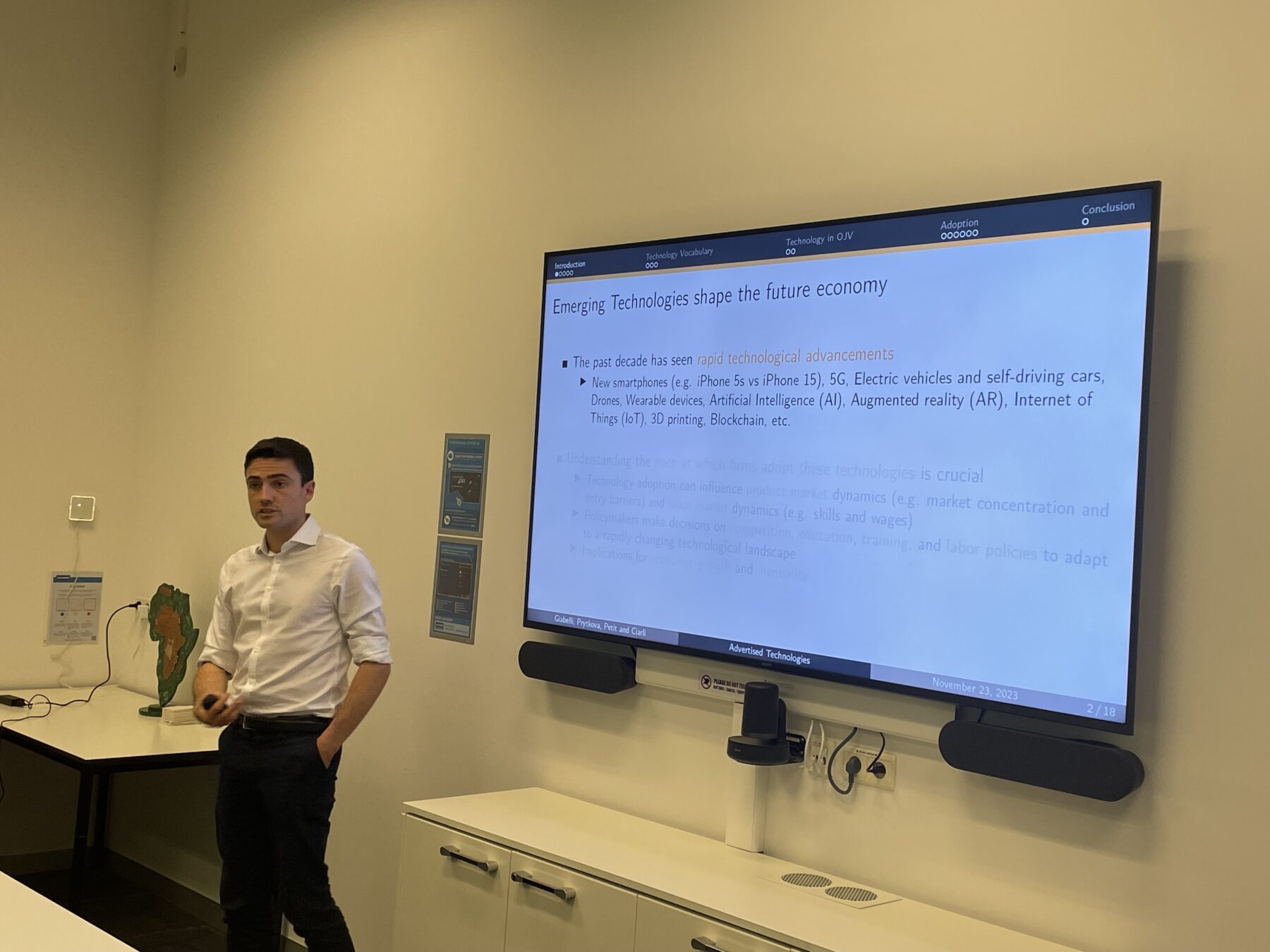
    Ainhoa Urtasun (UPNA) kicked off the session “Technology Adoption”, examining the impact of robot adoption on workplaces, hiring practices, occupational composition, and skill requirements. Subsequently, Fabien Petit (UCL) and Deyu Li (Utrecht University) presented two papers from the Pillars project. Petit’s presentation revealed that firms prefer to hire workers capable of using a bundle of technologies rather than specific ones. Moreover, only four emerging technologies, namely cloud computing and storage, industrial robotic automation, and workflow management systems, were found to be associated with a positive wage premium. Li demonstrated that occupations highly exposed to technological advances correlate with employment growth in sectors producing automation technologies, while experiencing employment decline in sectors that use automation technologies.


    Fertility

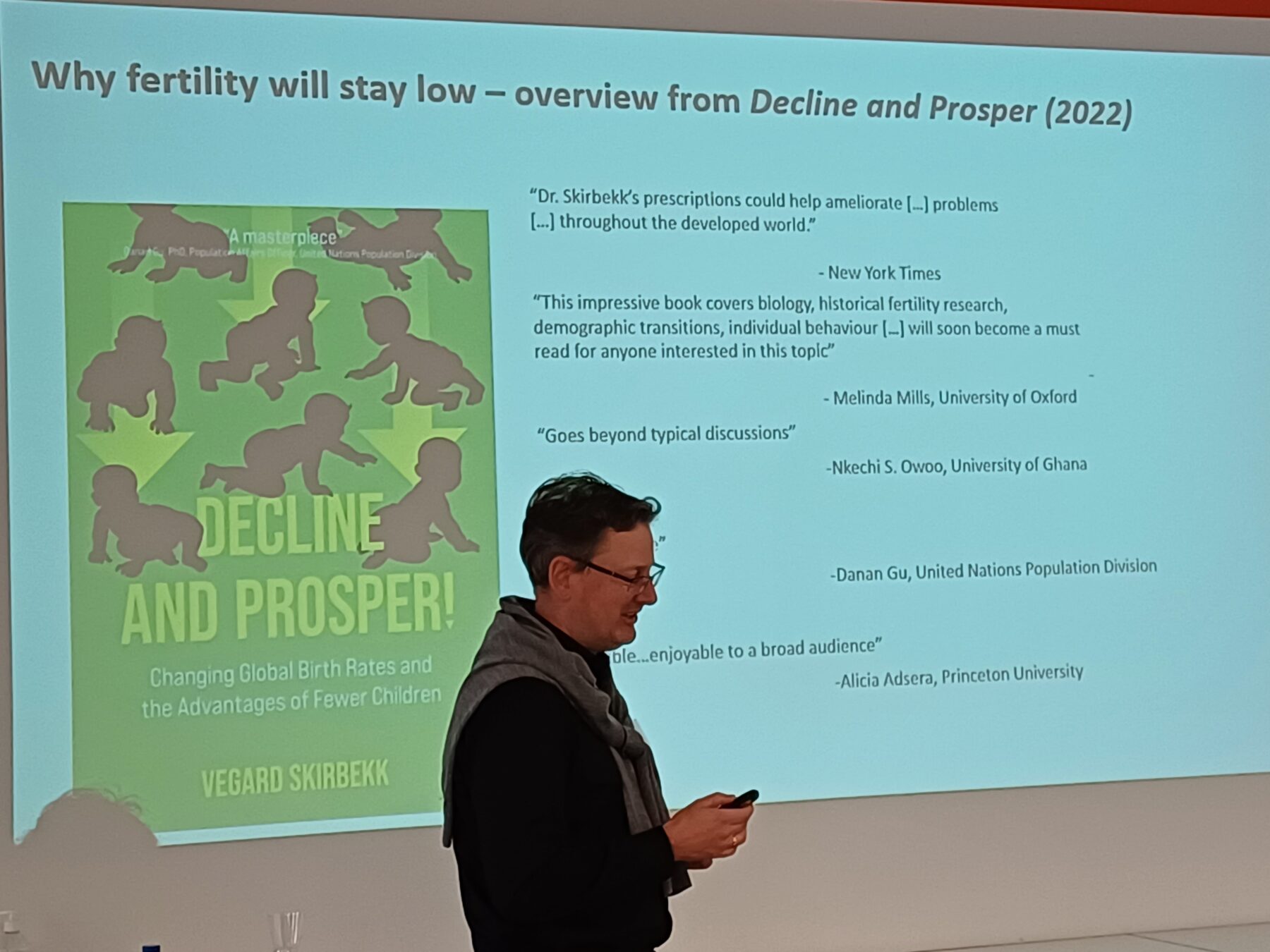
    The “Regional and Structural Change” session showcased four presentations. Vegard Fykse Skirbekk (FHI) led off by exploring the connection between occupational structural risk and fertility, revealing that higher occupational risk is associated with reduced fertility for both genders. Tommaso Ciarli (UNU-MERIT) presented research from the Pillars project, analysing how exposure to automation across different phases of technological cycles affects employment and wages from a regional perspective. Francesco Venturini (UNIPG) investigated whether areas specialising in AI exhibit more uneven income distribution, finding an 8% decline in labour share for every doubling of the regional stock of AI innovations. Jelena Reljic (Rome University) demonstrated that on average, AI exposure has a positive effect on regional employment, suggesting that areas with a higher proportion of AI-exposed occupations tend to experience more favourable employment trends.


    The “Training, Skills, and Working Conditions” session commenced with Patricia Wruuck’s (BMWK) presentation, showing that following the adoption of advanced digital technologies, companies tend to reduce their investment in training per employee while increasing their workforce. Sarah Fleche (UNIV – PARIS 1), in her exploration of the impact of digitalisation on working conditions, argued that use of ICT is correlated with enhancements in non-pecuniary working conditions. Although increased ICT usage leads to improved skills, support, stability, physical integrity, scheduling, and flexibility, it concurrently diminishes autonomy, psychological integrity, and the ability to work at an unconstrained pace. Ludivine Martin (LISER) explored the relationships between digital skills, identifying crucial competencies that individuals and organisations should prioritise to enhance adaptability and resilience in response to changing labour market demands.


    The full programme is available HERE.

    The Call for Papers available HERE.


    Categories
    Uncategorized

    NAVIGATING THE PATH TO A GOLDEN AGE FOR WORKERS: INSIGHTS FROM THE UNTANGLED DEBATE


    During the 22 November online debate, part of the final conference of Project UNTANGLED, moderator Karolien Lenaerts (HIVA-KU Leuven) posed the question of whether we are approaching a golden age for workers. In response, most panellists agreed that the growing labour shortages are exerting upward pressure on wages and working conditions, theoretically brightening the prospects for employees.


    Frank Siebern-Thomas (Green, and Digital Transitions, Research Unit, DG Employment, Social Affairs and Inclusion, European Commission) highlighted that three-fourths of European SMEs currently face skills and labour shortages, while two-thirds of European companies cannot find IT specialists. While optimistic about worker prospects, he underscored the risks and structural challenges that EU governments and firms must address. These challenges include reskilling the European workforce to adapt to evolving job roles resulting from technological advances and the transition to a green economy.


    Siebern-Thomas also noted that the European Commission is aware of these challenges and committed to addressing them through initiatives such as the European Year of Skills, focusing on upskilling, training, and innovation initiatives across member states.


    “Is this a golden age for workers? Maybe, but much depends on policies and their effective implementation,” Siebern-Thomas said.


    Melanie Arntz (ZEW), also optimistic about workers’ prospects, emphasised additional challenges that must be addressed for a golden age to materialise. She said particular attention should be directed to taxes and transfer systems and how they create incentives for working full-time. Arntz also raised concerns about AI and other technologies potentially devaluing certain skills and knowledge, leading to declining returns on formal education.


    “It will be more difficult for people to guess what the return on formal education will be, which means they may underinvest in education because they might not be sure how much they’ll get out of it,” she said. “Therefore, we should provide as much transparency as we can on all these trends, so people can orient themselves around this new labour market.”


    Arntz also highlighted another challenge: technology-driven mental stress among workers.


    Marguerita Lane (Future of Work team, OECD) focused on the positive impact AI can have on the workforce. She highlighted the technology’s potential to boost productivity, alleviate sluggish growth, reduce the need for human labour in routine and manual work, and liberate workers from unsafe, repetitive, and monotonous tasks. Lane stressed that AI also has the potential to bridge inequality by enabling lower-skilled workers to level up. Similar to previous speakers, Lane emphasised that these positive outcomes can only materialise with the right policies and social safety nets in place.


    “It is about policy choices; in this disruptive time, we need a smooth transition, and for this we need public services, governments, and companies to support workers displaced by new technologies,” Lane said.


    Robert Stehrer (wiiw) took a less optimistic stance on the prospects for workers. Citing recent literature, he argued that the impact of new technologies such as AI on the labour market may not be very significant, and might not help overcome labour shortages. Stehrer also highlighted that the shrinking and ageing of the EU population places a burden on the healthcare and pension systems. According to Stehrer, it is plausible that we are entering a period of secular stagnation: a prolonged period of negligible economic growth.


    “Even if there are higher wages, these will need to be taxed to meet the demands of the healthcare and pension system,” Stehrer concluded.


    The discussion also covered areas such as working conditions, the challenges faced by platform workers, the potential and the difficulties of undeclared work, opportunities for migration to the EU, and gender dimensions within the workforce. Additionally, it explored how the evolving labour market is influencing the welfare state.


    The UNTANGLED debate sheds light on the broad and diverse landscape of opportunities and challenges that makes up today’s labour market. The path to any golden age for workers must pass through that terrain, and technological advances in and of themselves aren’t enough to ensure a safe journey. Instead, it will require thoughtful implementation of policies that uphold the well-being and resilience of the workforce in the face of unprecedented changes.


    Categories
    Uncategorized

    UNTANGLED RESEARCH PRESENTED AT EUROPEAN SOCIAL FORUM


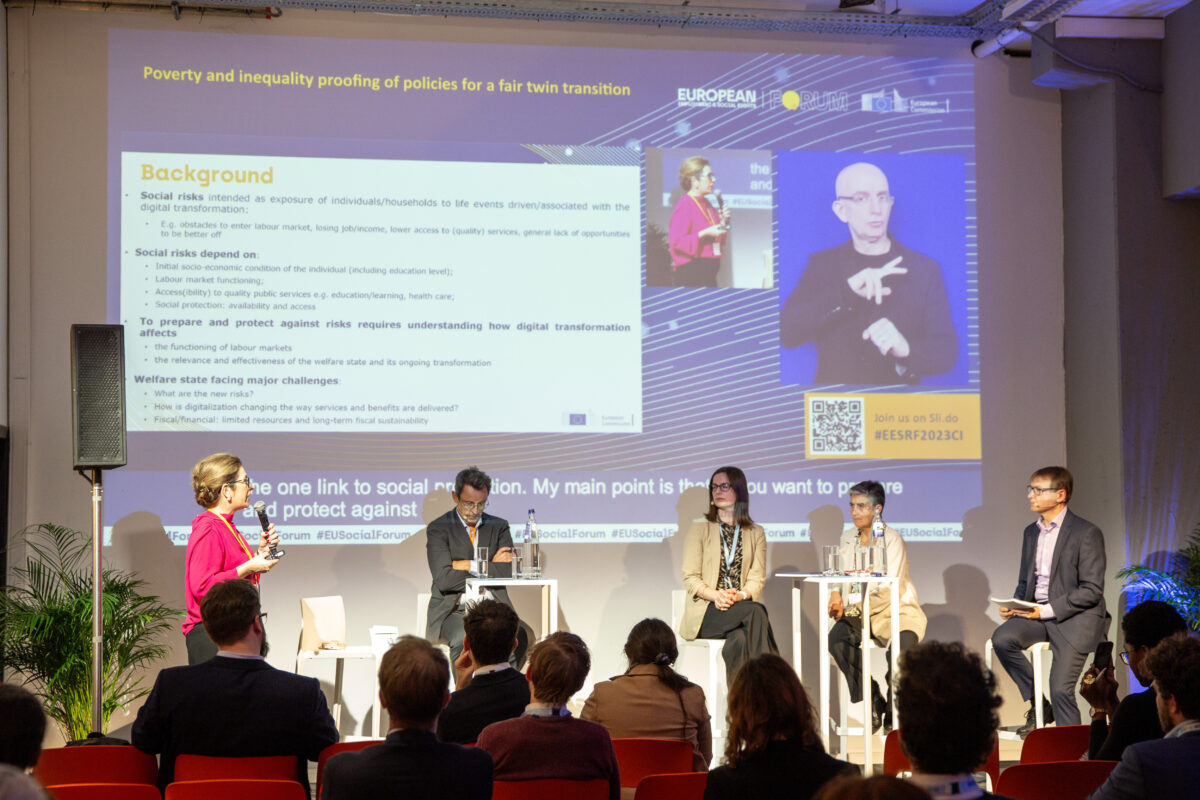
    Speaking on the panel “Poverty and Inequality Proofing of Policies for a Fair Twin Transition”, Doorley unveiled an UNTANGLED paper’s findings illustrating that tax and welfare policies can alleviate the impact of automation on income inequality.


    The panel focused on the significance of Distributional Impact Assessment (DIA) in the context of policies and reforms implemented by Member States to support the digital (and green) transition. DIA plays a crucial role in measuring how these policies affect different segments of the population in terms of poverty and inequality. Other panellists included Sara De la Rica, the Director of ISEAK; Salvador Barrios, Head of the Fiscal Policy Analysis Unit of the Joint Research Centre, European Commission; and Cinzia Alcidi, Head of the Economic Policy and Jobs & Skills Unit at CEPS.


    This year’s edition of the European Social Forum, hosted by the European Commission, centred around the impact of AI on the world of work. The conference aimed to discuss how EU policy can influence and address AI innovation in member countries, protecting workers’ rights throughout the Union.

    Categories
    Uncategorized

    UNTANGLED PANEL DEBATE WILL BE HELD ONLINE

    We have also made some changes to the panel. The new list of participants is:


    • Melanie Arntz, (Professor, ZEW)
    • Robert Stehrer (Scientific Director at wiiw)
    • Frank Siebern-Thomas (Head of unit for Fair Green and Digital Transitions, DG EMPL)
    • Marguerita Lane (Economist, OECD)
    • Moderator: Karolien Lenaerts (Head of Research Group Work, Organisation and Social Dialogue, HIVA KU Leuven).


    Event Details:

    Date: 22 November

    Time: 4:00-5:30

    Location: Online

    To attend, please register here.


    Together we will examine pressing concerns such as chronic labour shortages; AI’s impact on jobs; caring for the elderly; job market inequality; the influence of Large Language Models (LLMs) on high-skilled roles; and green transition champions.

    We will also explore the skills that will remain relevant in the evolving job market. Are we entering a period of plentiful jobs, and broad-based productivity and wage increases? Or are we on the verge of a period where the returns on education and skills will change – unpredictably – for all? What role will globalisation play in this? How can we fill (low-paying) care jobs? What role is there for the European Commission? What should policymakers do to address these challenges and reap opportunities, and what constraints do they face?


    Categories
    Uncategorized

    EXPLORE THE PROGRAMME OF THE UNTANGLED FINAL CONFERENCE

    The event will take place at KU Leuven on the Campus of Social Sciences on 23 November 2023 and feature a keynote address from Professor Melanie Arntz, Deputy Head of ZEW’s Labour Markets and Social Insurance Research Unit: “Different Perspectives on the Digital Transformation of the Labour Market.”

    We will have nine sessions and over 30 papers:

    1. Jobs and their quality
    2. Global value chains
    3. Skills and tasks
    4. Inside firms and organisations
    5. Technology, jobs and wages
    6. Platform and flexible work
    7. Technology adoption
    8. Regional and structural change
    9. Training, skills and working conditions

    All the detailed information is in the Programme available HERE.

    Register before November 12 HERE

    Any queries can be emailed to Ilse Tobback at: ilse.tobback@kuleuven.be

    2021 © UNTANGLED. All rights reserved.
    This project has received funding from the European Union’s Horizon 2020 research and innovation programme under grant agreement No 101004776

    Follow us on social media